
As an Amazon Associate I earn from qualifying purchases. This post may contain affiliate links.

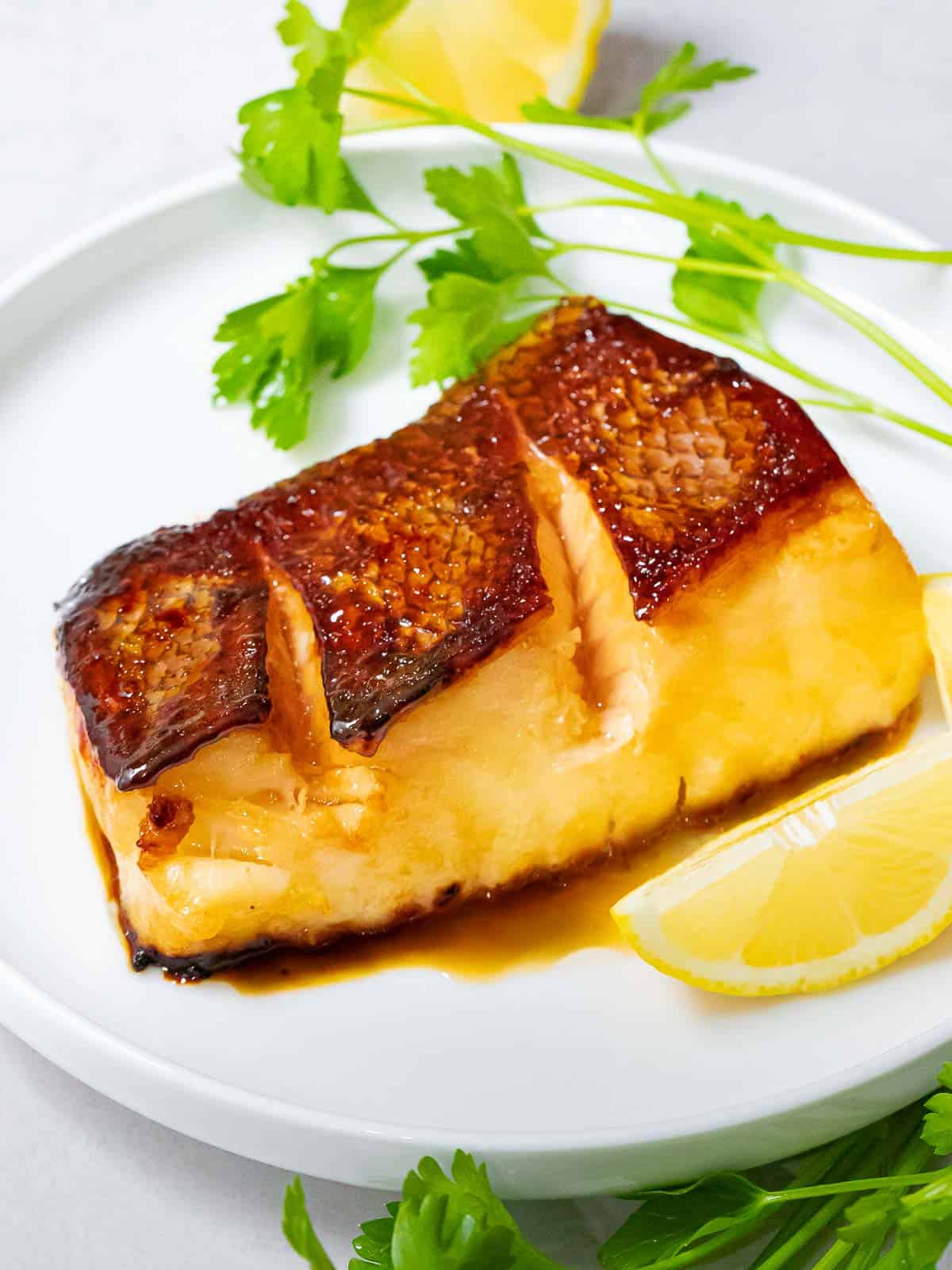
This pan seared Chilean sea bass is one of the easiest restaurant-quality dishes you can make at home, and it’s ready in just 25 minutes. It’s perfectly pan seared until flaky and tender with an incredibly crispy skin. The secret is a simple Asian marinade made with soy sauce, fresh ginger, and mirin that infuses the fish with sweet, savory, umami flavor.
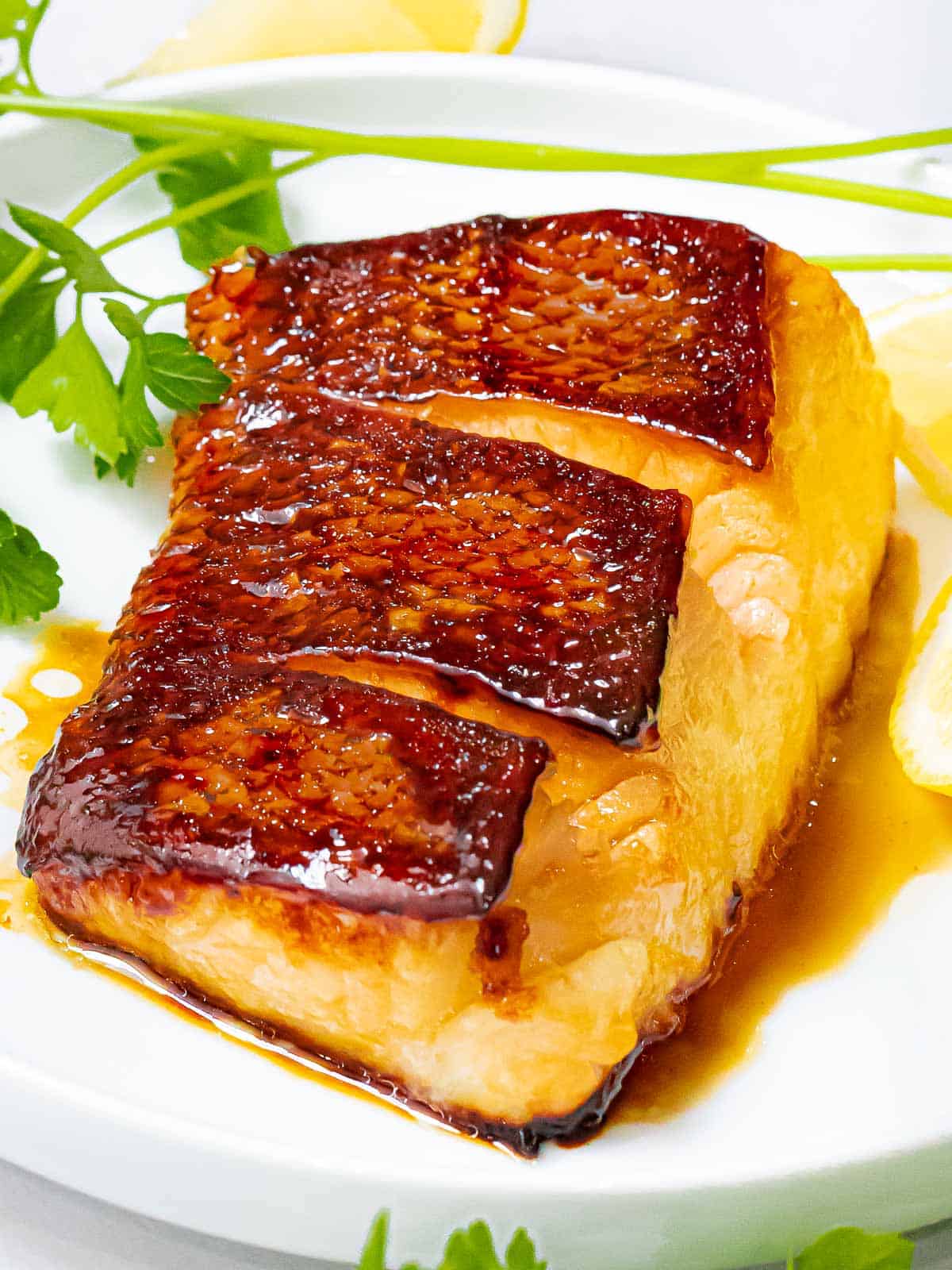
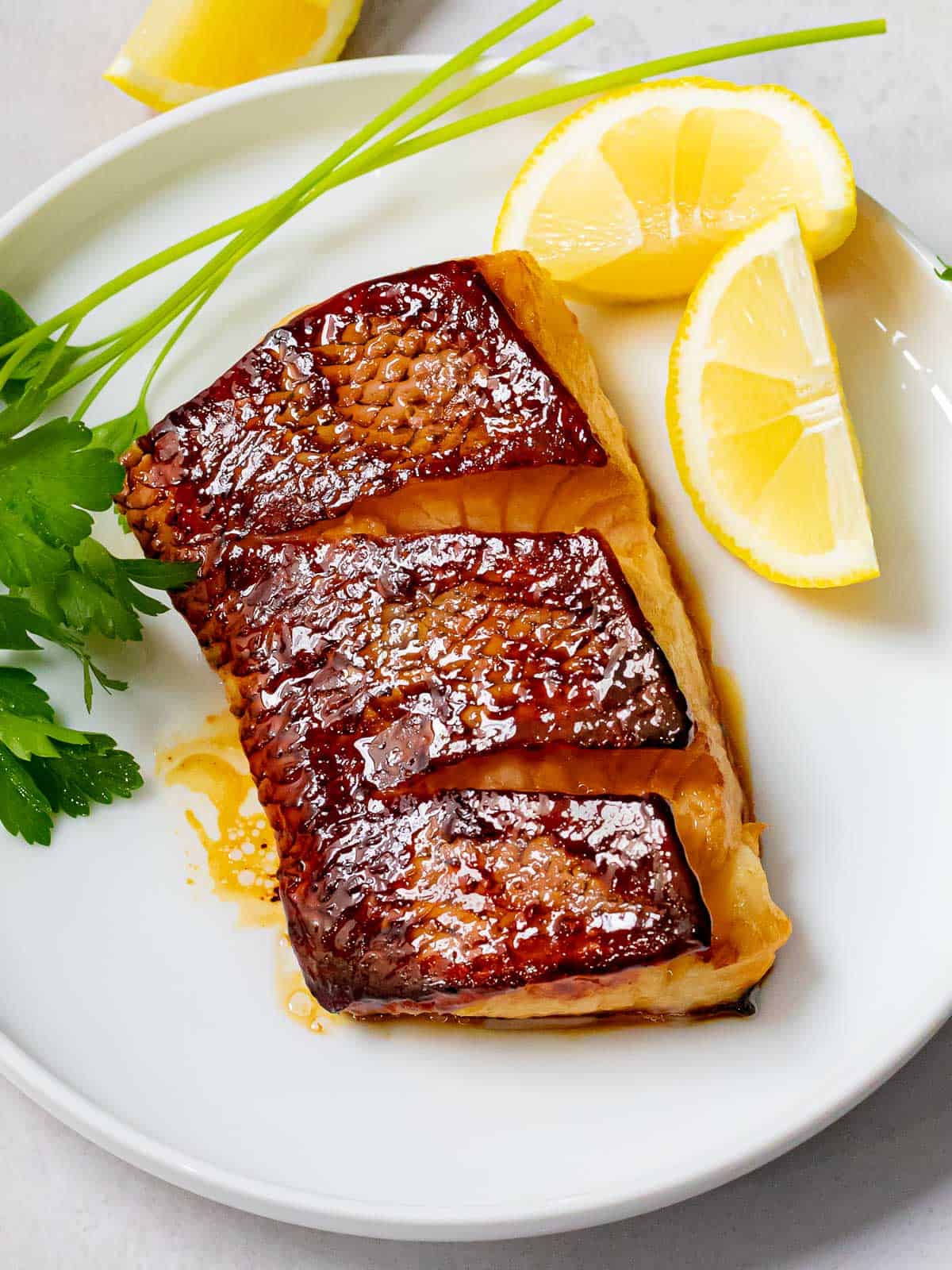
What makes this Chilean sea bass recipe special is the crispy skin. By cooking skin-side down over medium-low heat, the fat slowly renders out, leaving you with an incredibly crispy, crackly skin, while the flesh stays tender and buttery.
If you’ve never cooked Chilean sea bass at home before, this is the perfect place to start. The high fat content of this fish makes it very forgiving and nearly impossible to dry out. You can also use this soy ginger marinade on cod, halibut, snapper, or any firm white fish of your choice.
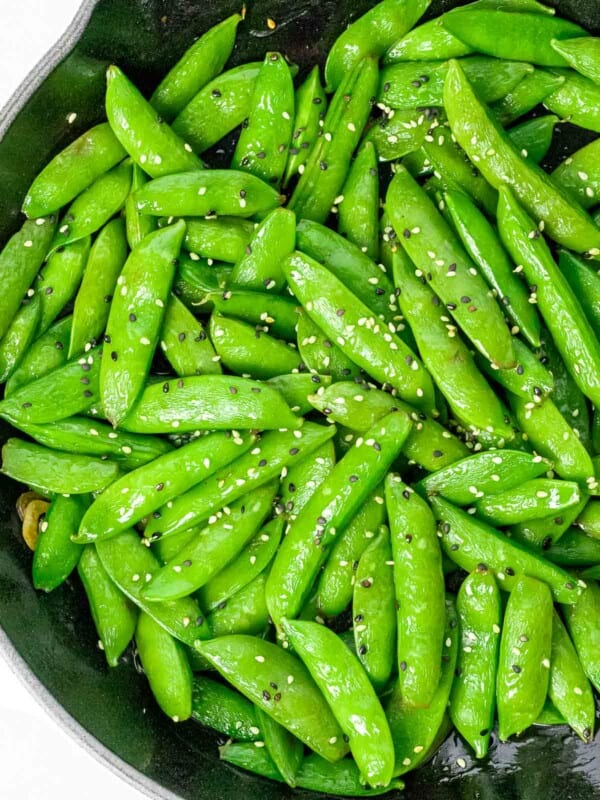
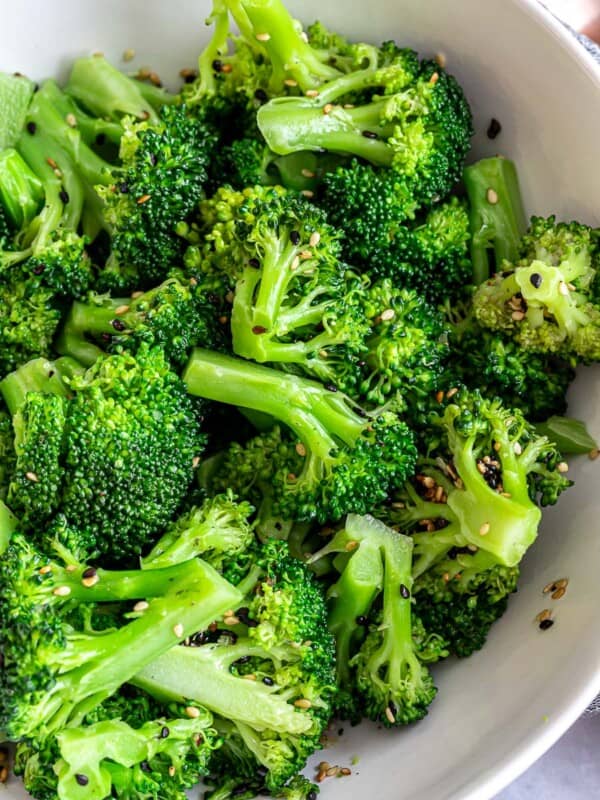
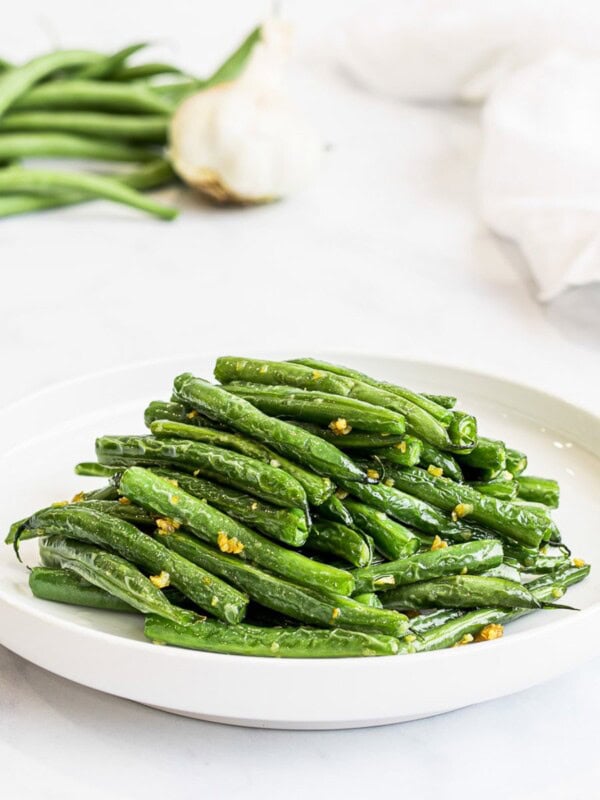
Serve it alongside Stir Fried Sugar Snap Peas with Garlic and Sesame or an Asian Sesame Broccoli Salad for a complete Asian-inspired seafood dinner. Pair it with my Spicy Asian Chimichurri Sauce for a herbaceous, fresh sauce that goes perfectly with this Asian sea bass.
Jamie’s Tip
How to Select Sea Bass
- Package date – Look for one that’s been packaged that same day. Ask your fishmonger what day of the week their shipment comes in for the freshest fish.
- Firm flesh – Feel the flesh by gently pressing down on it. It should feel firm, bounce back, and shouldn’t break apart. Avoid ones that are mushy and soft.
- Smell – Fresh sea bass, like other fish, will have a fresh, ocean like smell and should not smell fishy at all.
- Fillets – If you’re buying fillets, make sure it’s scaled and de-boned. The skin should be intact in one piece without tears.
- Whole fish – For whole sea bass, check the eyes and gills. The eyes should be bright and clear and the gills should be red and moist looking.
Jamie’s Tip
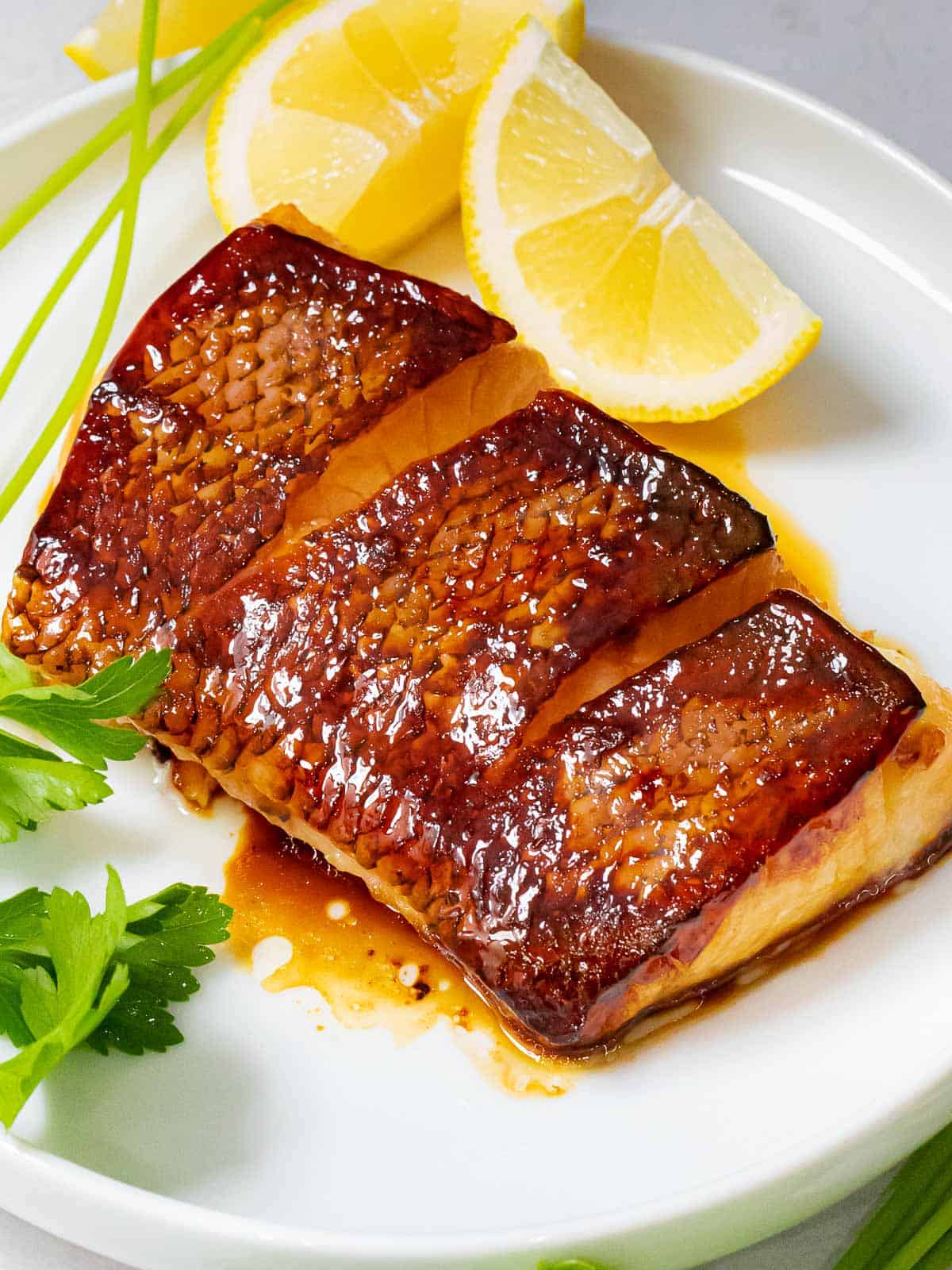
How to Cook Sea Bass for Crispy Skin
- Pat skin dry – Before adding the marinade, pat the skin dry with a paper towel.
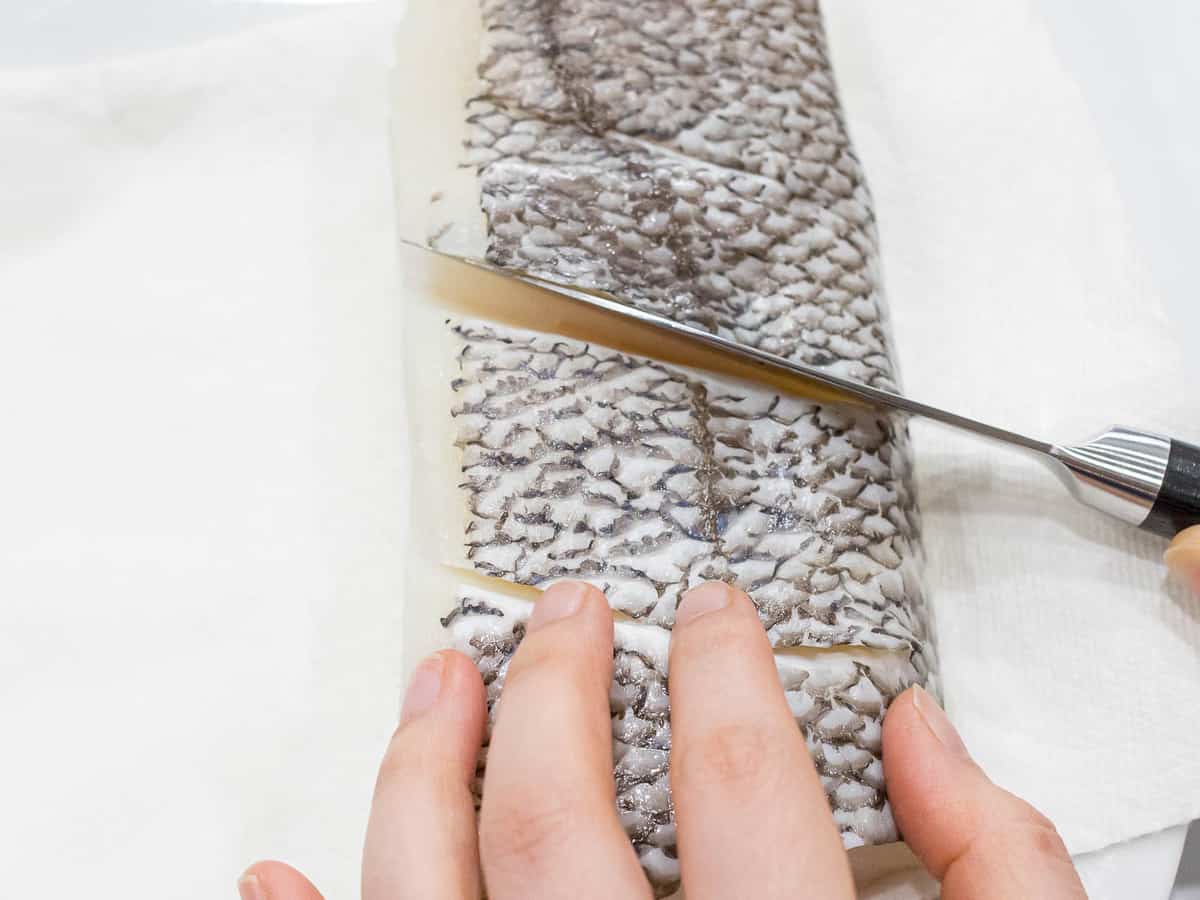
- Score the skin – Scoring the skin prevents it from curling up during the cooking process, ensuring flat, even contact with the cooking surface.
- Wipe off excess marinade – Scrape off any excess marinade before cooking to reduce steaming.
- Medium to medium low heat – I prefer slowly rendering out the fat in the skin until it gets crispy. This should be done on medium low heat to avoid burning the sugars in the marinade.
- Skin side down – Cook skin side down and don’t flip it until the skin is very crispy.
- Don’t cover the pan – Leave the pan uncovered the whole time to prevent steaming the sea bass.
- Plate skin side up – Keep the crispy skin facing up and avoid adding sauces on top which will softened up the skin.
How Long to Cook Chilean Sea Bass
Cooking time for pan seared Chilean sea bass depends on the thickness of your fillets. Here’s a general guide for cooking over medium to medium-low heat:
- 1 inch thick: 3-4 minutes skin-side down, then 2-3 minutes after flipping (5-7 minutes total)
- 1.5 inches thick: 4-5 minutes skin-side down, then 3-4 minutes after flipping (7-9 minutes total)
- 2 inches thick or more: 5-6 minutes skin-side down, then 4-5 minutes after flipping (9-11 minutes total)
The fish is done when the internal temperature reaches 145°F (63°C) as recommended by the USDA, at this point the flesh turns opaque and flakes easily with a fork. I recommend using an instant-read thermometer to avoid overcooking. However, Chilean sea bass is quite forgiving even at higher temperatures, and in our experience stayed juicy and tender even at an internal temperature up to 160°F (71°C).
Keep in mind that the sugars in the soy ginger marinade can burn at higher temperatures, which is why I cook this on medium-low heat rather than high heat. It takes a little longer, but you’ll get much better results with perfectly crispy skin and no burnt spots.
Ingredients
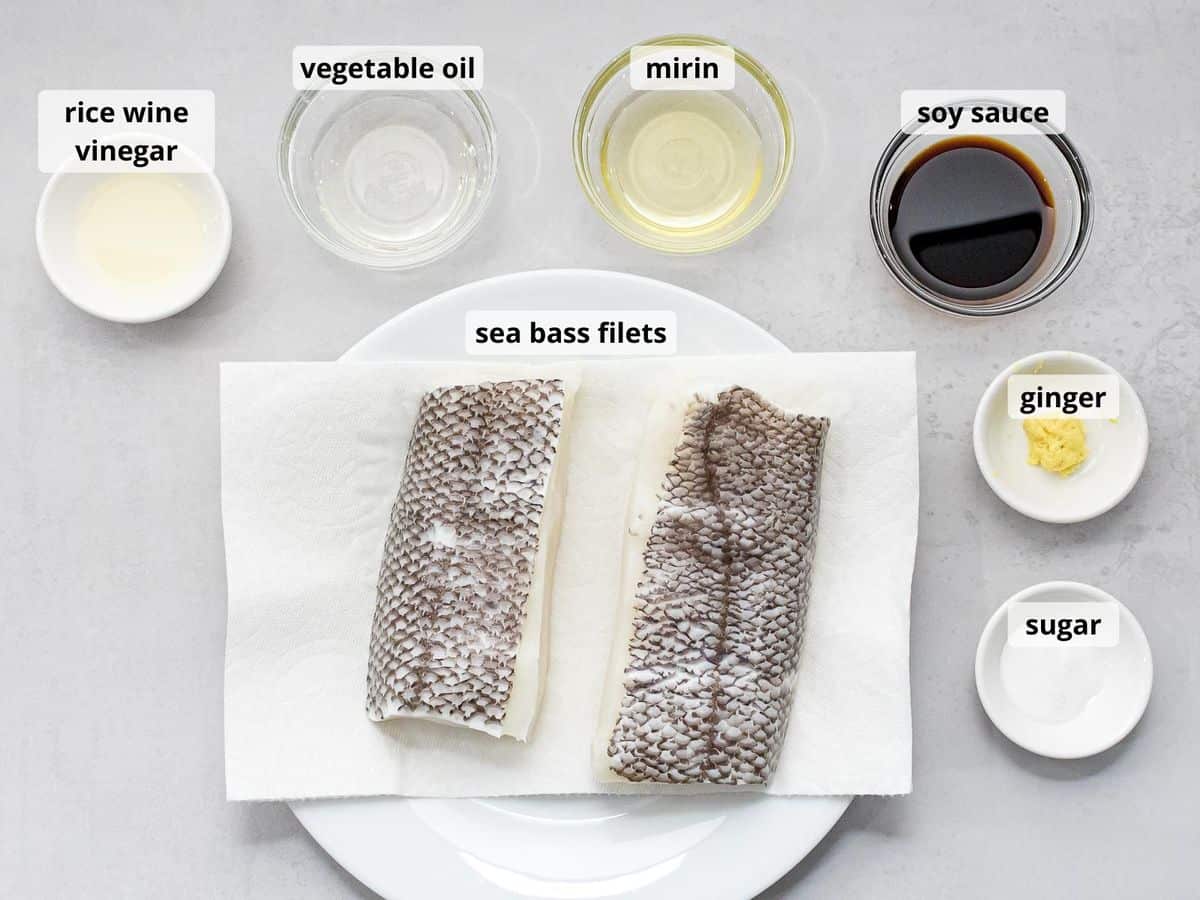
- Sea bass fillets – I used Chilean sea bass but any white fish will work. Be sure it’s scaled and deboned. Pat dry with a paper towel.
- Mirin – This is a Japanese cooking wine. Substitute with white wine.
Instructions
- Mix all the ingredients for the soy ginger marinade together. Pat the sea bass dry and score the skin.
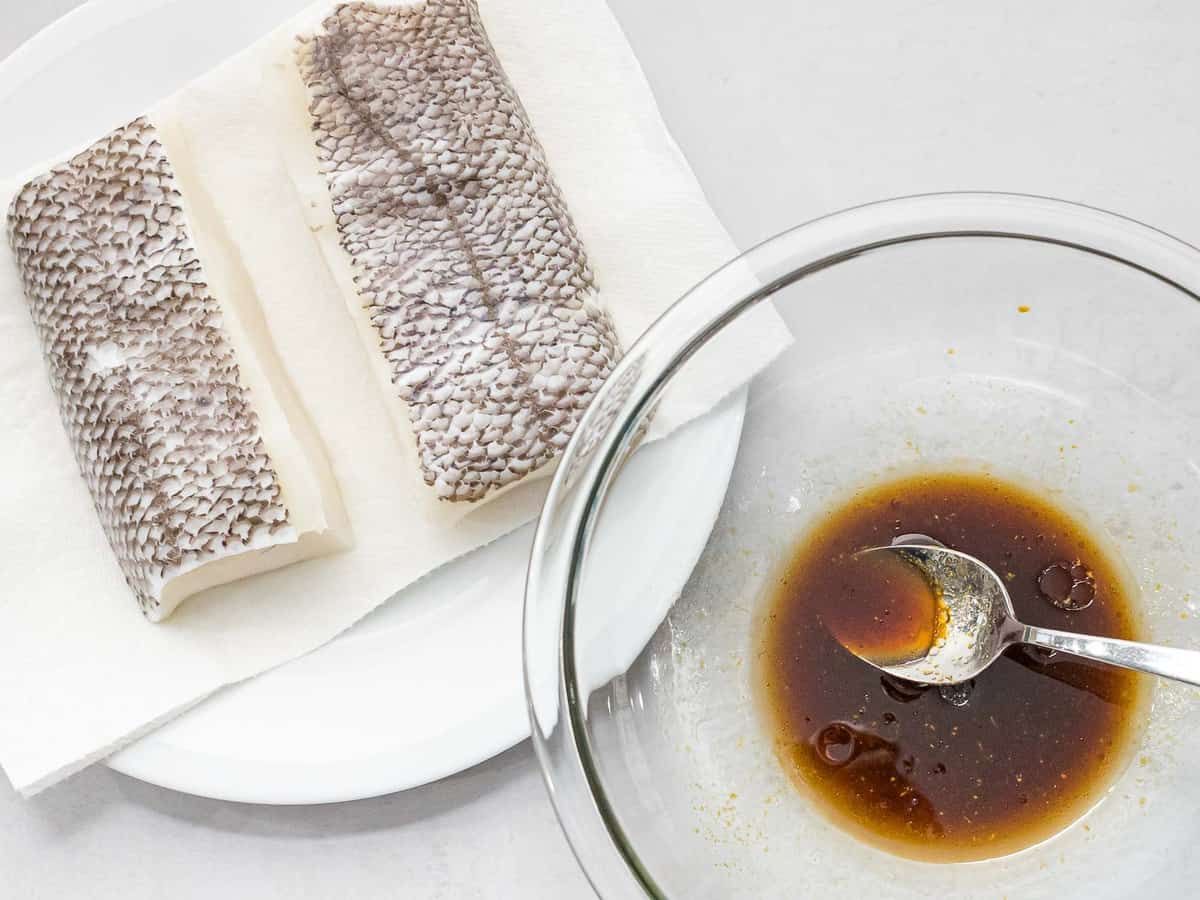
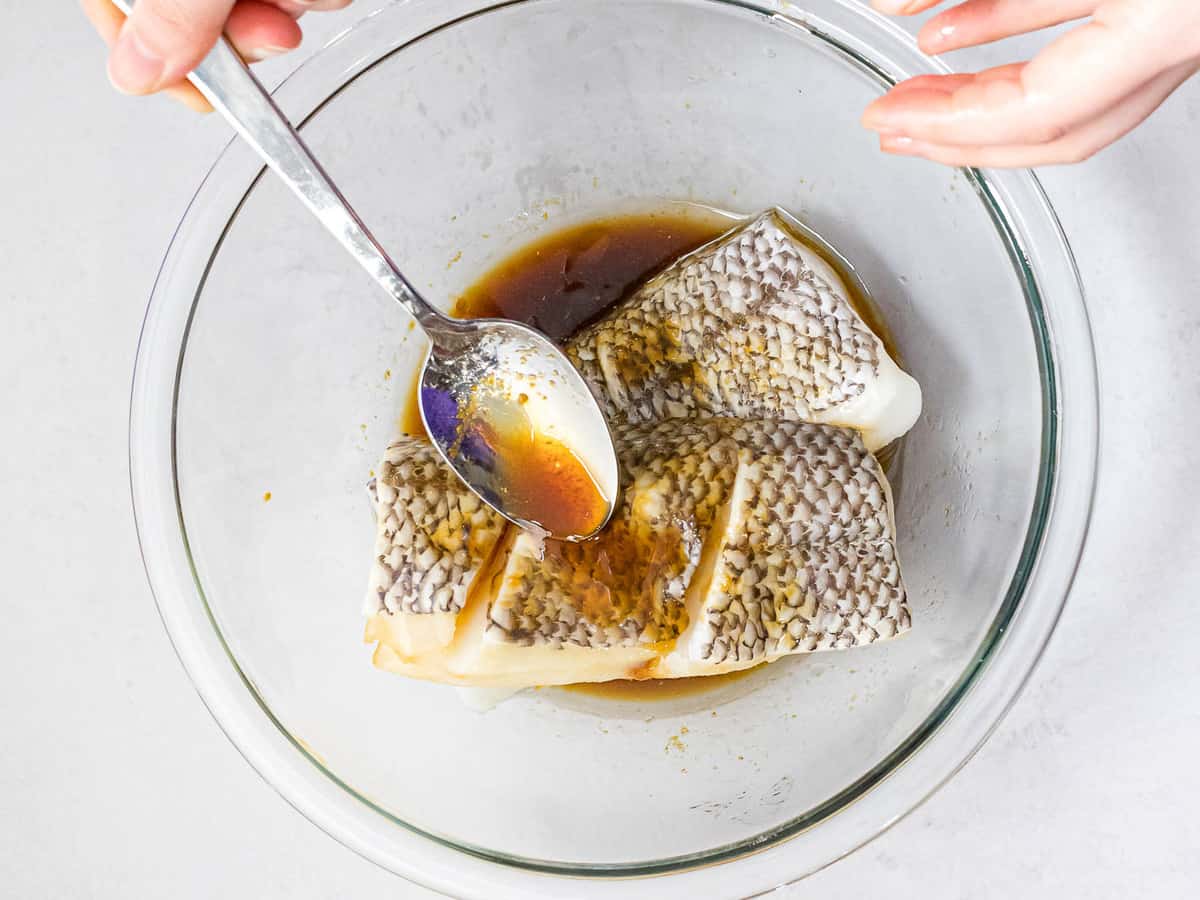
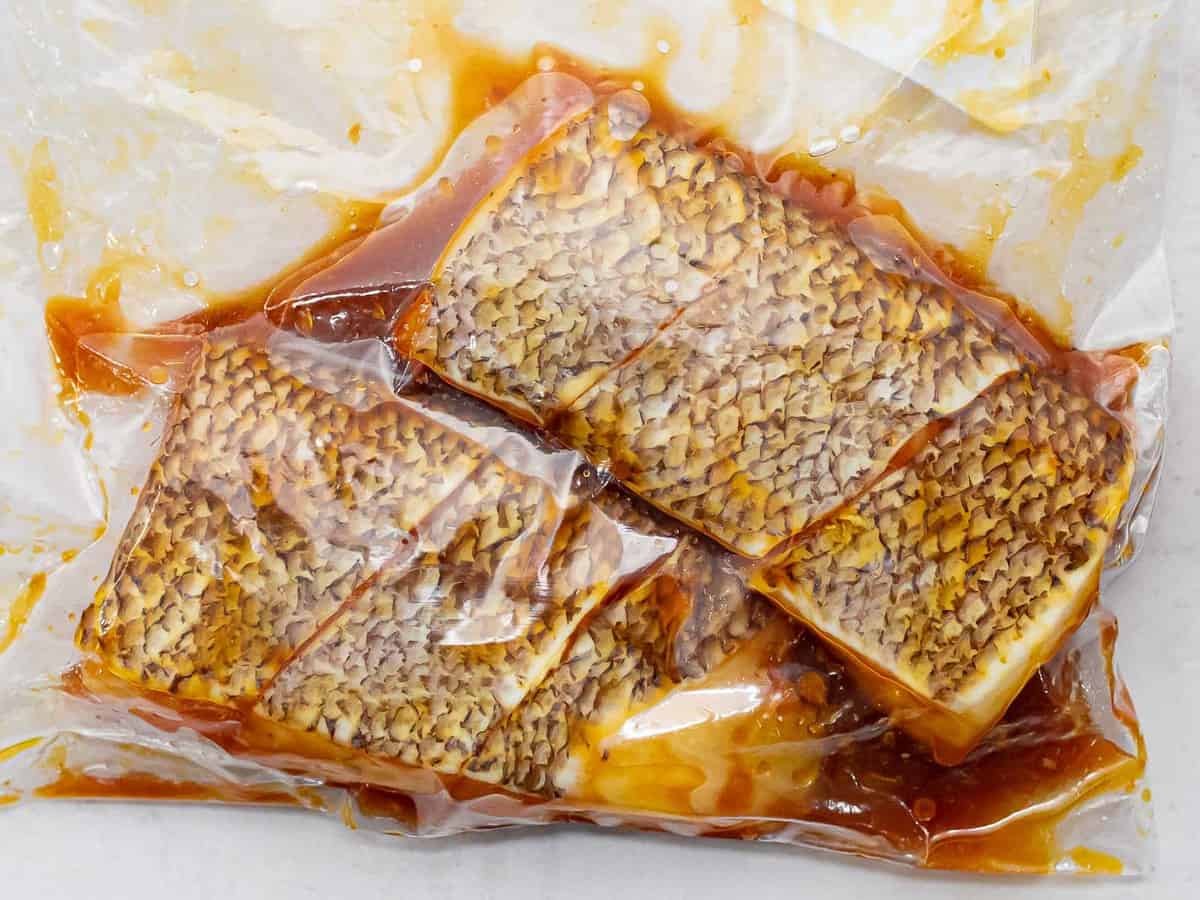
- Marinate the fish in a bowl covered with plastic wrap or a resealable plastic wrap. Let it marinate on the counter for 15 minutes.
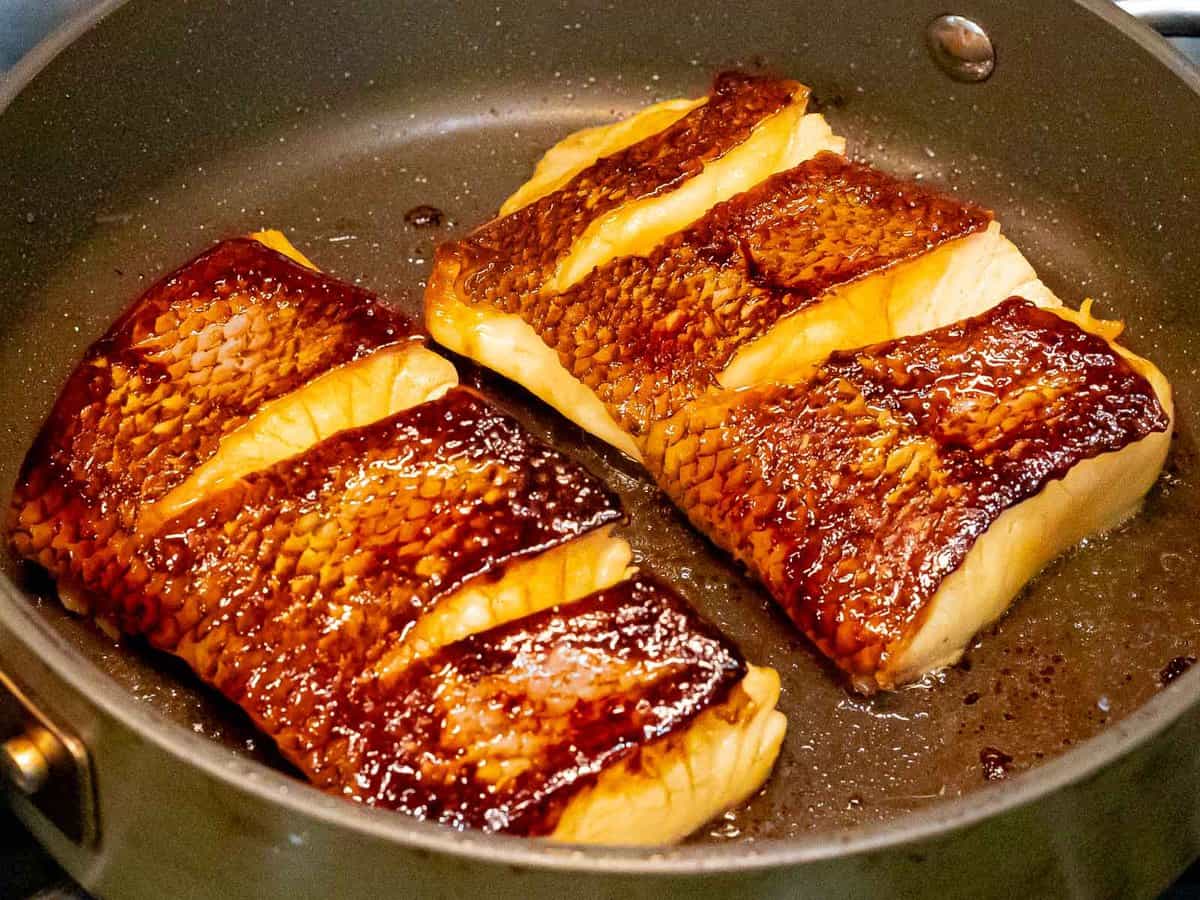
- Heat a pan on medium to medium low heat and add a bit of oil. Wipe off excess marinade and cook the sea bass skin side down until crispy. The fat from the skin should render out, leaving a crackly, crispy skin. Flip over and finish cooking until it flakes apart.
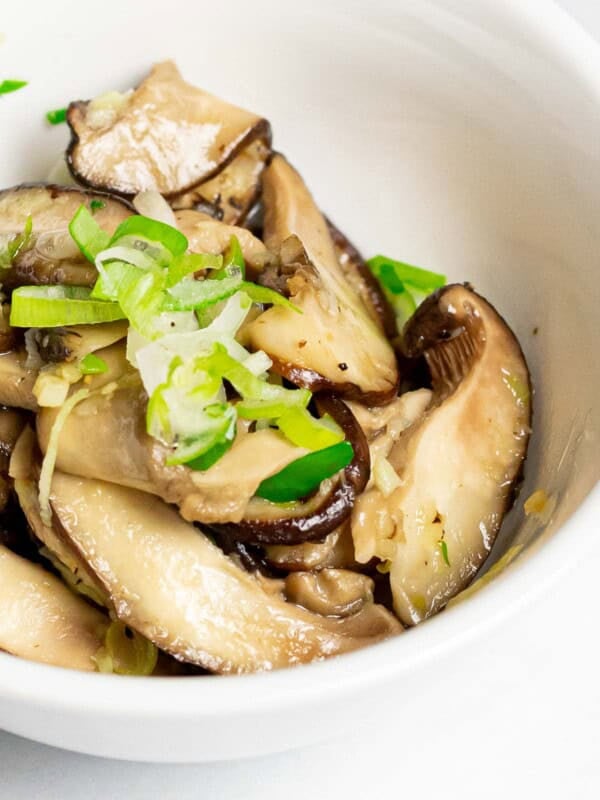
- Serve your Asian sea bass immediately skin side up. It pairs beautifully with Stir Fried Sugar Snap Peas, Easy Roasted Mushrooms with Garlic and Soy Sauce, or steamed rice.
FAQ
Chilean sea bass is actually Patagonian toothfish that’s found in cold waters in the southern hemisphere. Whereas Japanese sea bass (called suzuki) is found in waters in the Western Pacific. Chilean sea bass grows much larger than Japanese sea bass so expect to find smaller fillets when buying Japanese sea bass. Taste wise, they’re both flakey white fish that can be used for this recipe.
Sea bass is a mild tasting fish with delicate, buttery flesh that’s soft and tender. It does not taste fishy at all and has a slightly sweet, moderately rich flavor. It tastes similar to cod but with higher fat content.
Chilean sea bass is fully cooked when it reaches an internal temperature of 145°F (63°C). At this temperature, the flesh will be opaque and flake easily with a fork. I use an instant-read thermometer inserted into the thickest part of the fillet to check. The high fat content of Chilean sea bass makes it more forgiving than leaner fish, and in our experience the fish stayed juicy and tender up to an internal temperature of 160°F (71°C).
Marinate Chilean sea bass for 15 minutes at room temperature, and ideally no longer than 20 minutes. Because this marinade contains acid from the rice wine vinegar, leaving the fish in too long will start to “cook” the surface of the flesh (similar to ceviche), which can affect the texture. Marinating at room temperature rather than in the fridge also helps the fish cook more evenly.
Absolutely! This soy ginger marinade works beautifully on any white fish. Some of my favorite substitutes include cod, halibut, snapper, trout, pollock, and grouper. You can also use it on salmon for a richer, more full-flavored dish. The marinade is versatile enough for grilling, baking, or pan searing!
Yes, Chilean sea bass is one of the more expensive fish you’ll find, typically ranging from $25 to $40 per pound depending on your location and whether it’s fresh or frozen. For a more budget-friendly alternative, try cod or halibut with this same soy ginger marinade. You’ll get a similar flavor profile at a fraction of the cost. That said, making Chilean sea bass at home is still far less expensive than ordering it at a restaurant, where a single fillet can easily cost $40–$60.
Yes you can bake your sea bass! Bake it in a pre-heated 450°F (232°C) oven for 15 minutes or until done. Check for the flesh easily flaking apart.
Store leftovers in an airtight container and keep in the fridge for up to 3 days.
Reheat over low heat in a toaster oven, oven, stovetop, or microwave. It’s important not to overheat the fish as it can dry it out so keep the heat low. If using a microwave, set the power to low and check every 30 seconds.
What to serve with Asian sea bass:



Pan Seared Chilean Sea Bass with Asian Marinade
Ingredients
- 4 6oz Chilean sea bass fillets, scaled and de-boned; total 1½ lbs (24 oz)
- 1 lemon, (optional), cut into wedges
- chopped fresh herbs, (optional) for garnish
Sea Bass Marinade
- 1 ½ Tablespoons low sodium soy sauce
- 1 ½ Tablespoons mirin
- 1 ½ Tablespoons avocado oil
- 4 teaspoons sugar
- 2 teaspoons grated ginger
- 1 ½ teaspoons rice wine vinegar, substitute with 1 Tablespoon of lemon juice
- ¾ teaspoon sea salt
Instructions
- Prep: Prep the sea bass by patting it dry with a paper towel. Flip it skin side up and score the skin by making shallow cuts with a knife.
- Marinate: Add all the ingredients for the marinade in a bowl or a resealable plastic bag. Add the sea bass and massage the marinade into the fish. Let it marinate on the counter for 15 minutes. See Note 1.
- Heat pan: Heat a non-stick pan over medium to medium low heat and add a bit of avocado oil to the pan. See Note 2. Once the pan is heated, scrape off any excess marinade and place the fillets skin side down. Leave it alone until it starts sizzling and rendering out fat. Leave the pan uncovered. Lightly press down with the flat side of your spatula for a few seconds. Let the skin continue cooking until very crispy. Depending on thickness, times will vary. Mine took 4 to 5 minutes. Check halfway through and lower the heat if necessary to avoid burning the skin.
- Flip: Flip the fish and cook it skin side up until it reaches an internal temperature of 145°F (63°C), the flesh will be opaque and flakes apart easily. Do not cover the pan with a lid as the steam will soften up the skin. See Note 3.
- Serve: Plate the sea bass crispy skin side up and serve immediately with lemon wedges and herbs.
Notes
- Marinate – avoid marinating for longer than 20 minutes as the acid will start ‘cooking’ the fish. Marinate on counter to bring fish to room temperature to help with even cooking.
- Medium to medium low heat – Cooking fish skin side down on low to medium heat slowly renders out the fat, resulting in a crispy, crackly fish skin. Avoid raising the heat too high as it can cause the sugars in the marinade to burn and can result in overcooked fish. Crunchy fish skin needs to be cooked low and slow.
- Cooking time depends on the thickness of your fillet. My fillets were 2.5 inches at its thickest and took 5 to 6 more minutes after flipping until fully cooked, for a total of 9 to 10 minutes of cooking time on medium low heat.
Want to bake it instead?
- Bake a pre-heated 425°F oven for 15 minutes or until done. Check for flesh easily flaking apart. If it starts to burn, loosely cover with foil.
- Store leftovers in an airtight container and keep in the fridge for up to 3 days.
- Reheat over low heat in a toaster oven, oven, stovetop, or microwave. It’s important not to overheat the fish as it can dry it out so keep the heat low. If using a microwave, set the power to low and check every 30 seconds.
- cod
- halibut
- snapper
- trout
- pollock
- grouper
⇒See post above for How to Select Sea Bass and How to Cook Sea Bass for Crispy Skin.
Nutrition
Nutrition information is automatically calculated, so should only be used as an approximation.
Like this? Leave a comment below!










Really great recipe that I’ve used a few times now! Always a huge hit! I substitute with monk fruit sugar, liquid aminos, volcanic red salt, and also use sweet mirin and rice wine vinegar…thank you for this recipe!
I use the air fryer and it works out crazy well to crisp up skin! Heat it to 360 for 5 minutes then put sea bass in skin side down for about 4 minutes, and 5 minutes or so skin side up. Perfection!
This pan seared Chilean sea bass looks incredibly delicious. I have to make this soon for my family!
Made this the other night, extremely delicious. I used unrefined coconut oil instead of avocado oil. I also cooked the fish Sous vide, but wasn’t able to get the crispy skin. I tried in an iron skillet after the Sous vide. I need to work on that, fish was still perfect and tasty.
Thank you Brian! I’m so glad you enjoyed the sea bass recipe!
Excellent and very easy to prepare. Tastes better than restaurant’s sea bass
Thank you so much! I’m so glad you loved the recipe!
This was fabulous! Thank you so much for the recipe! I didn’t have any mirin on hand or white wine so I ended up using Rose’.
So glad to hear that! Thanks for trying the recipe Sandy!
We love Chilean sea bass but never made it at home until now. Fabulous recipe, added some garlic and had it with roasted broccoli. We’re keeping this recipe for later!
Thanks Andrea! I’m so glad you loved the recipe. Great idea adding garlic to the marinade.
Delicious! Doubled the marinade recipe and poured it over our side of roasted veggies! Highly recommend!
The flavor was so good and my sea bass came out perfect! It was even better than what you get at a restaurant.
Thank you Brandi! That’s such a compliment. I’m so happy you loved it. 🙂
Amazing. Thank you! I grilled 5 minutes each side at 350 on the grill.
Thank you Carole! I’m so happy to hear that! 🙂
Can the marinade be turned into a glaze?
Hi Kathy! Absolutely you can use the marinade as a glaze! Double the amount of the marinade and reduce half in a shallow sauce pan until thicken. Since there’s sugar in the marinade, I’d watch it carefully to make sure it doesn’t burn. Hope you enjoy this!
Super delicious and easy to make. Perfect summer lunch. Thanks for the idea and the recipe!
The ginger in the marinade just makes it! Also in love with how crispy the skin gets.
Delicious recipe
What a great recipe, we made this last night and both, me and my partner absolutely loved it! The marinade is so flavoursome and the whole dish was very easy to prepare!
Thanks Anna! So glad to hear!
This dish and marinade are delicious! A must try
This marinade is so amazing! I used it on cod because that’s what I had, but now I want to also try it on sea bass asap!
I don’t usually leave comments but had to tell you this came out so good. I’ve tried several sea bass recipes but none as good as this. Thank you!
Marinade is on point. Amazing flavor. Reduce the leftover marinade for a great glaze that takes it to another level!
This was an awesome recipe, but I tweaked it a little for a little healthier items. Used Liquid Aminos instead of soy sauce, used monk fruit instead of regular sugar. It was perfect for my Chilean Sea Bass.
This fish melts in your mouth and is very buttery like. I also cooked it in Ghee instead of vegetable oil.