

This reverse sear prime rib roast recipe is the best way to cook a standing rib roast that's juicy, tender, and perfectly pink from edge to edge. Whether you call it prime rib, ribeye roast, or a Christmas roast, this bone-in prime rib is slow-roasted at a low temperature and finished with a high-heat sear for a crispy, golden-brown crust.
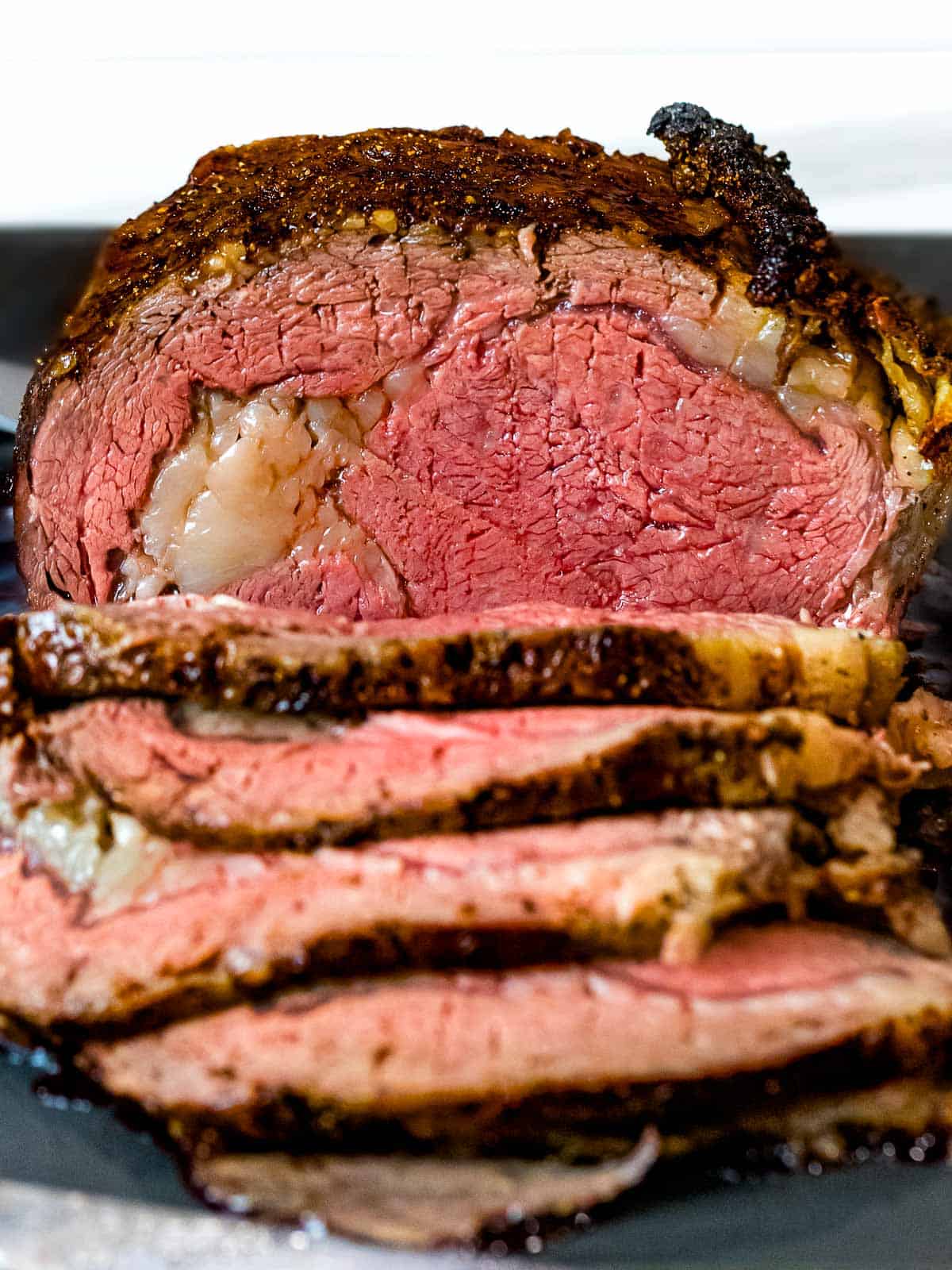
We've been making this as our holiday roast for over 12 years and this foolproof technique works every time! With a simple salt and pepper rub and our detailed cooking time and temperature guide below, you'll nail a restaurant-quality prime rib at home.
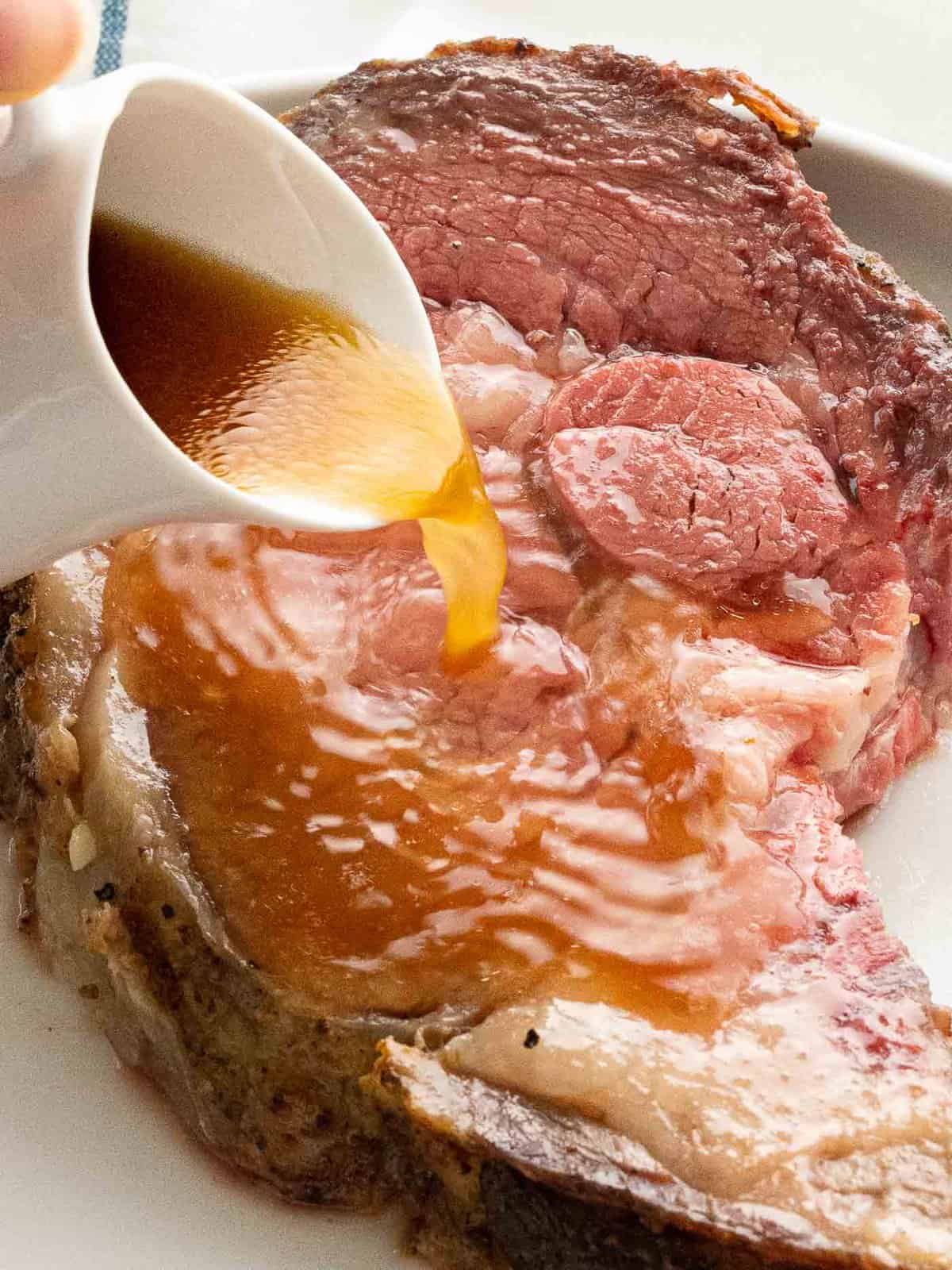
Serve it with our homemade au jus sauce on Christmas, Thanksgiving, Easter, or any special occasion for the ultimate prime rib experience.
What Is a Standing Rib Roast?
A "standing rib roast" simply means the rib bones are still attached, and the roast is cooked "standing" upright on those bones. The bones act as a natural roasting rack and help insulate the meat for more even cooking.
Should You Keep the Bone On or Cut and Tie It?
When you buy a bone-in rib roast, you have two options for handling the bones before cooking. Each approach has trade-offs, and the right choice depends on how much you value presentation and ease of carving.
Option 1: Leave the bones fully attached. The simplest approach and the one used in this recipe. The bones stay connected to the meat exactly as they come from the butcher. The roast stands upright on the bones during cooking, which acts as a natural rack and insulates the bottom of the meat from direct heat. This gives the most even cooking with the least effort. The only downside is that carving requires an extra step - cut the bones away from the meat after cooking, right before slicing.
Option 2: Have the butcher remove and re-tie the bones. The best-of-both-worlds approach and a popular choice for holiday dinners. Your butcher cuts the bones away from the meat, then ties them back on with butcher's twine. You get all the insulating benefits of bone-in cooking, but when it's time to serve, you simply snip the twine and the bones fall away cleanly. If your butcher offers this, it's worth asking for. You can also do it yourself at home: cut along the curve of the bones as close as possible, set the meat back on the bone rack, and tie together with kitchen twine every 1.5–2 inches.
Which should you choose? Option 1 (bones fully attached) is the easiest and most foolproof. If you want easier carving at the table, go with Option 2 (cut and tied). This option is also as convenient as Option 1 if your butcher can do it for you.
How Long to Cook Prime Rib (Cooking Time Chart)
How long does prime rib take to cook? The answer depends on the weight of your roast and your oven temperature. Use this chart as an estimate for bone-in prime rib roast or standing rib roast cooked at 250°F (121°C). Keep in mind that the size and shape of the roast will affect timing, so always use a meat thermometer rather than relying on time alone.
| Weight | Internal Temperature (Remove from Oven) | Estimated Time |
|---|---|---|
| 4 to 5 lbs | 118°F (48°C) | 3 hours |
| 6 to 7 lbs | 118°F (48°C) | 3.5 hours |
| 8 to 9 lbs | 118°F (48°C) | 4 hours |
| 10 to 11 lbs | 118°F (48°C) | 4.5 hours |
| 12 to 14 lbs | 118°F (48°C) | 5 to 5.5 hours |
As a rough rule of thumb, plan for about 25-30 minutes per pound at 250°F (121°C). However, a leave-in oven thermometer is the single most important tool for cooking prime rib perfectly. I highly recommend an oven-safe probe thermometer so you can monitor the temperature without opening the oven door and set an alarm when it reaches the desired temperature.
Prime Rib Temperature Guide: Rare to Well Done
This recipe uses the reverse sear method which means we start the roast at a low temperature of 250°F (121°C) and finish in a hot oven 550°F (288°C) to crisp and brown the crust.
| Doneness | Internal Temperature | Resting Time | Final Temperature |
|---|---|---|---|
| Rare | 115°F (46°C) | 20 to 30 minutes | 120°F (49°C) |
| Medium Rare | 118°F (48°C) | 20 to 30 minutes | 125°F (52°C) |
| Medium | 123°F to 125°F (51°C to 52°C) | 20 to 30 minutes | 130°F to 135°F (54°C to 57°C) |
| Medium Well | 133°F to 135°F (56°C to 57°C) | 20 to 30 minutes | 140°F to 145°F (60°C to 63°C) |
| Well | 143°F to 150°F (62°C to 66°C) | 20 to 30 minutes | 150°F to 160°F (66°C to 71°C) |
- Internal Temperature - This is the temperature to remove your prime rib from the oven. Set an alarm if your meat thermometer has this.
- Final Temperature - As we roast at a low temperature, expect anywhere from 5 to 10 degrees of carry over cooking (residual heat) during the resting time. Note: This depends on the size and shape of your prime rib roast as well as ambient temperature in your kitchen during the resting period. Also, if you decide to roast at a higher temperature than stated, there will be greater carry over cooking.
Why Reverse Sear Prime Rib? (And Why It's the Best Method)
The reverse sear method flips the traditional approach: instead of blasting the prime rib with high heat first (which overcooks the outer layers), you start low and slow to cook the interior evenly, then finish with a quick high-heat sear for a perfectly browned, crispy crust. Here's why I prefer this method over every other way to cook prime rib:
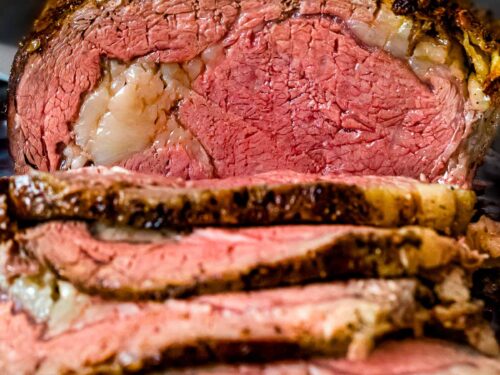
Even doneness from edge to edge: Low-temperature roasting means no gray, overcooked ring around the outside. You get a beautifully rosy pink all the way through.
A crispier, more flavorful crust: The surface dries out during the slow roast, which means the final high-heat sear creates an incredible, crackly, golden-brown crust.
Flexibility with serving time: This is a huge advantage for holiday dinners. After the slow roast, the prime rib can rest for 20 to 60 minutes while you wait for guests. Then sear it 5–10 minutes before serving – everyone gets a fresh-out-of-the-oven slice with no need to rest the meat again after searing.
Maximum control: Cooking at low heat gives you a much wider margin of error. The temperature rises slowly, so you're far less likely to overshoot your target.
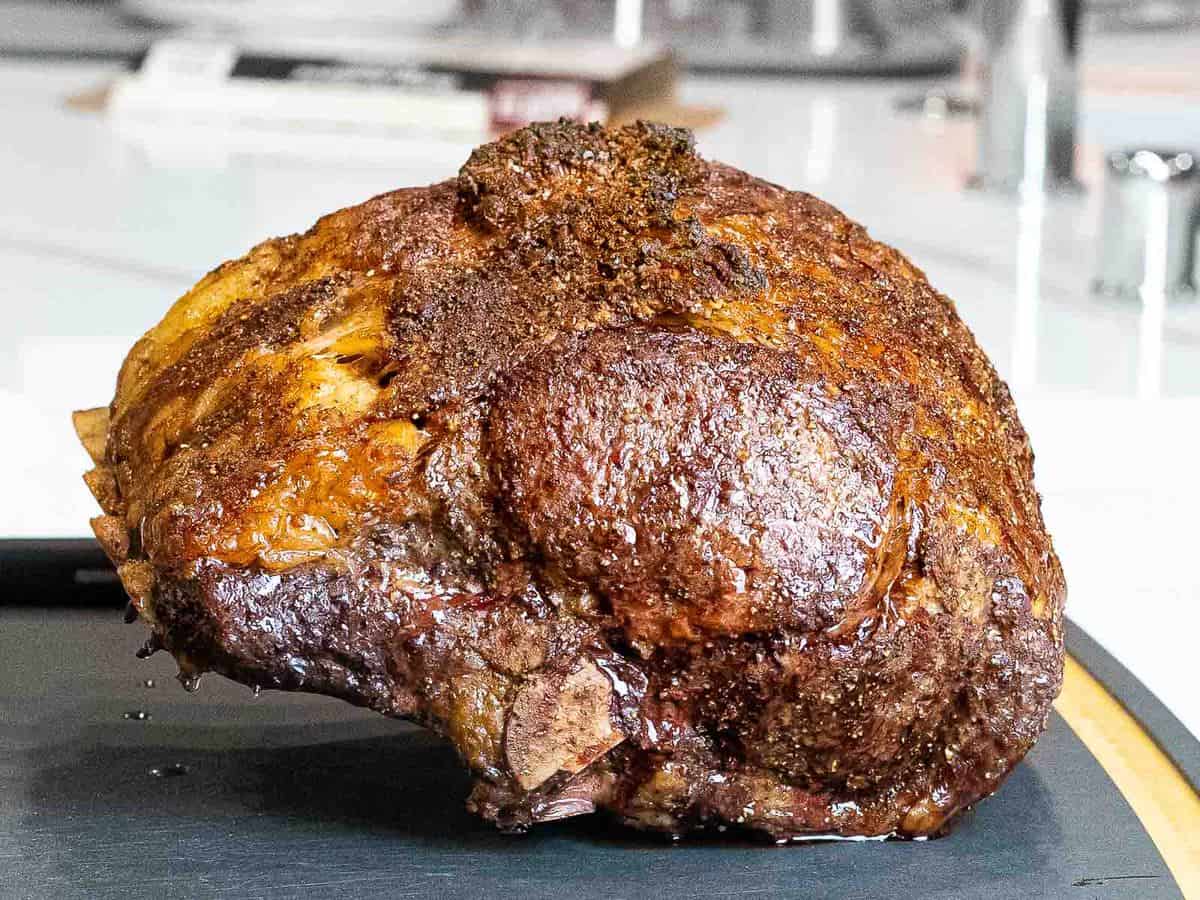
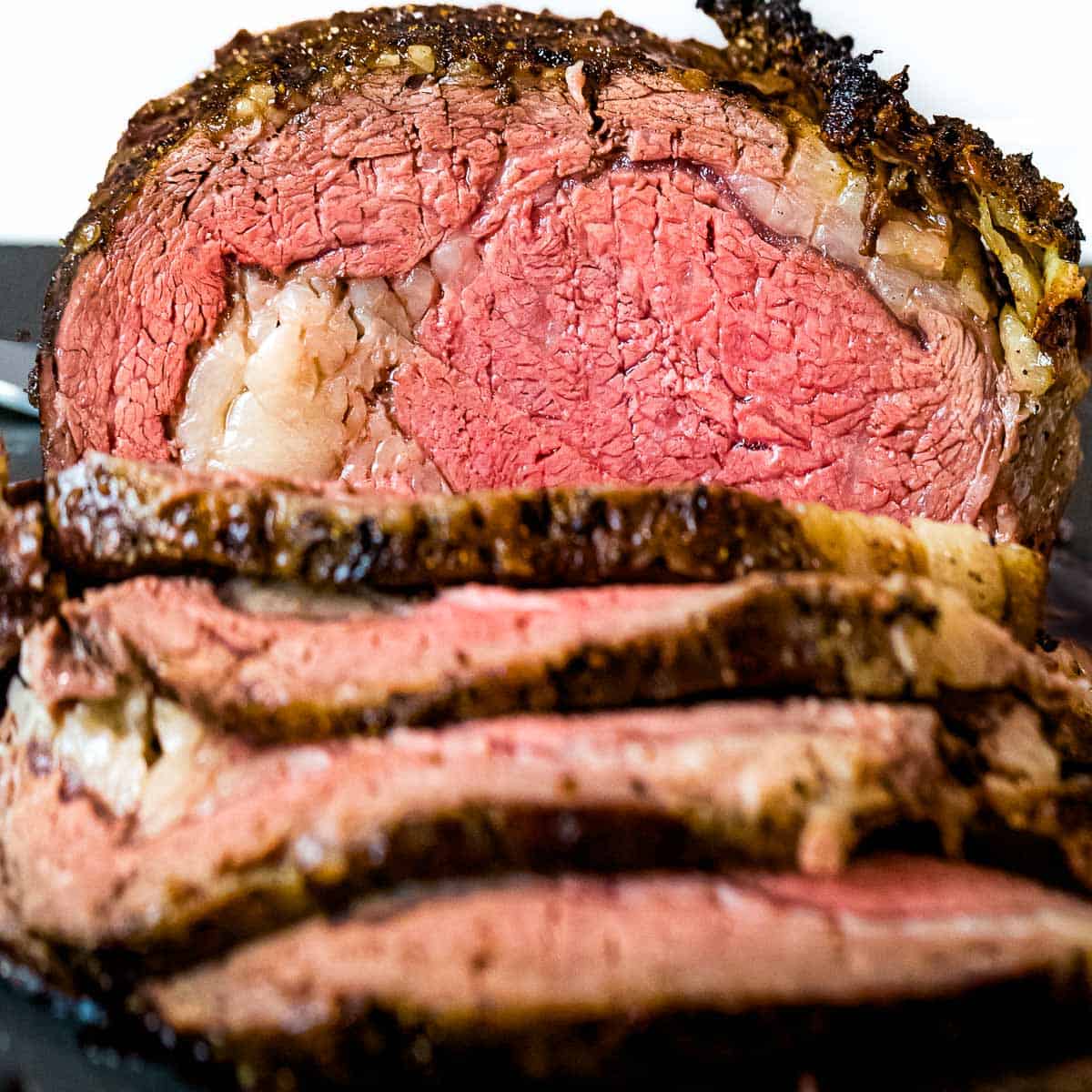
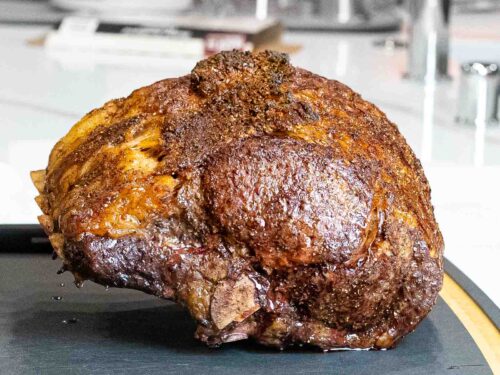
The crispy, crackly crust after the reverse sear is full of crunchy texture and made up of browned bits that are deliciously salty and fatty. A simple salt and pepper rub applied overnight is all that took to flavor this.
Letting the ribeye roast air dry overnight with the rub allows it to better absorb the seasoning.
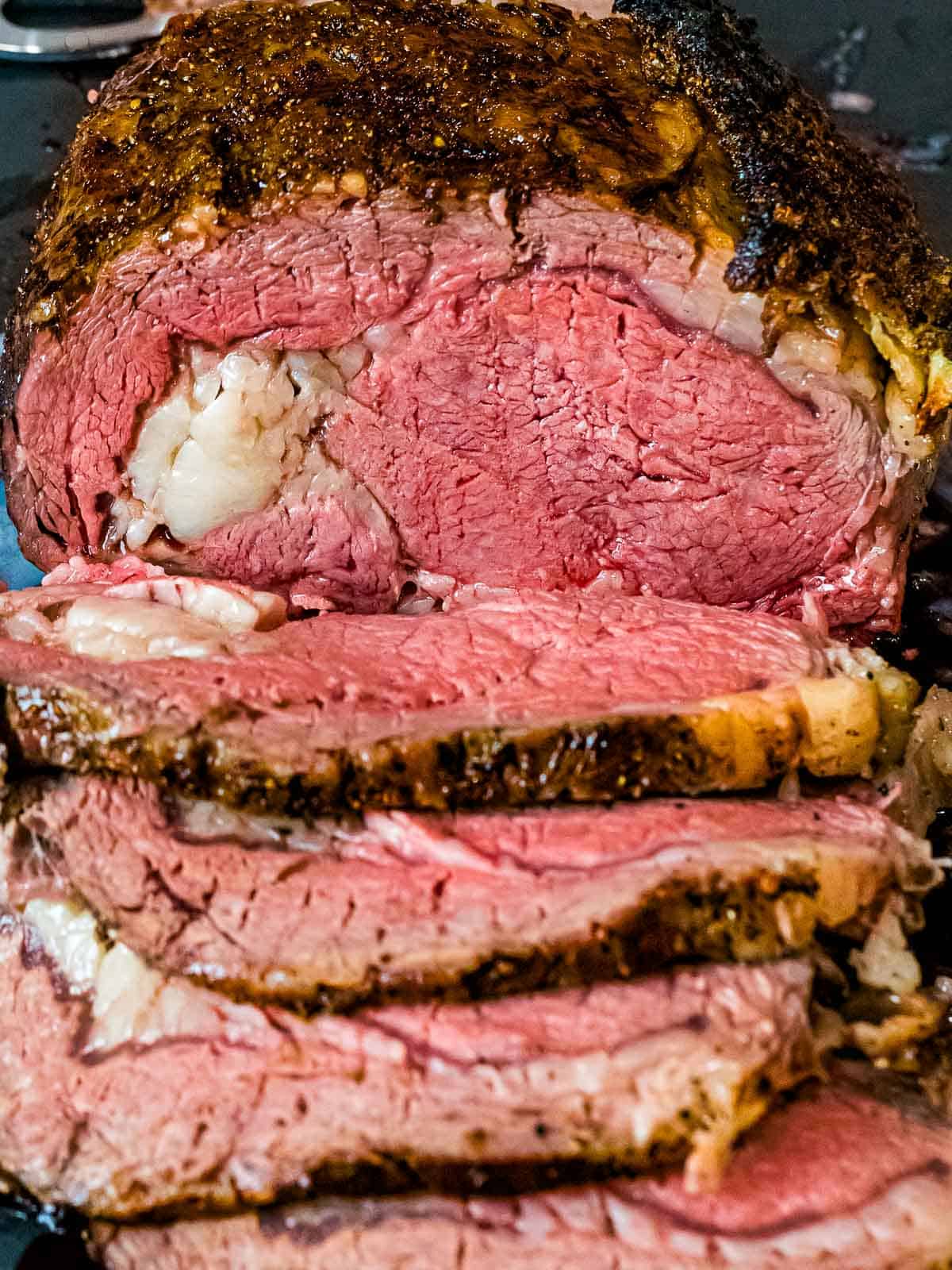
How to Choose the Best Prime Rib Roast
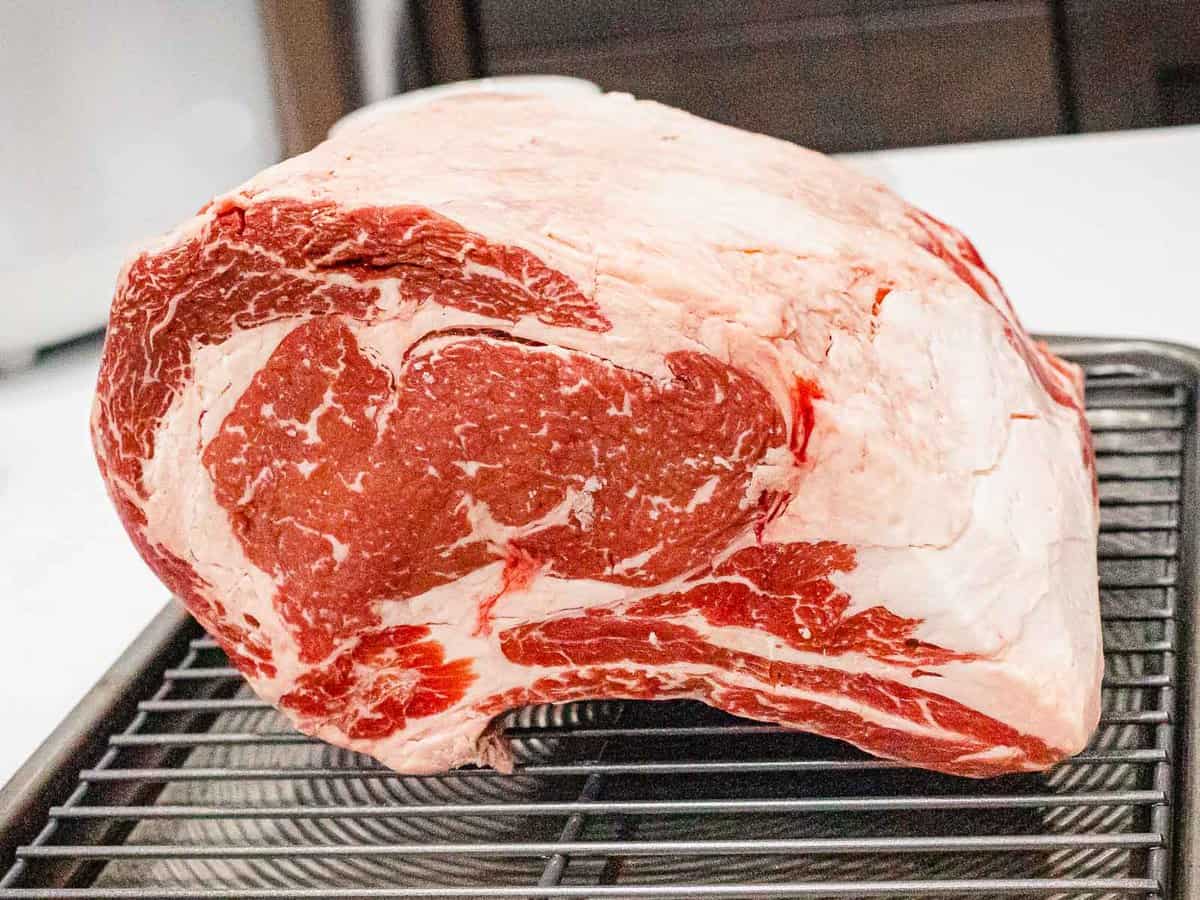
There are three grades of prime rib - select, choice, and prime. What you want to look for when selecting a prime rib roast is one that's well marbled, with enough fat on the fat cap, and with the bones still attached.
I used a prime grade rib roast which is more expensive but worth it to get that rich, meaty flavor. Note: prime grade roast is also called beef bone-in rib roast. You can find it in most specialty butchers and select Costcos, especially around the holidays like Christmas, Thanksgiving, and Easter.
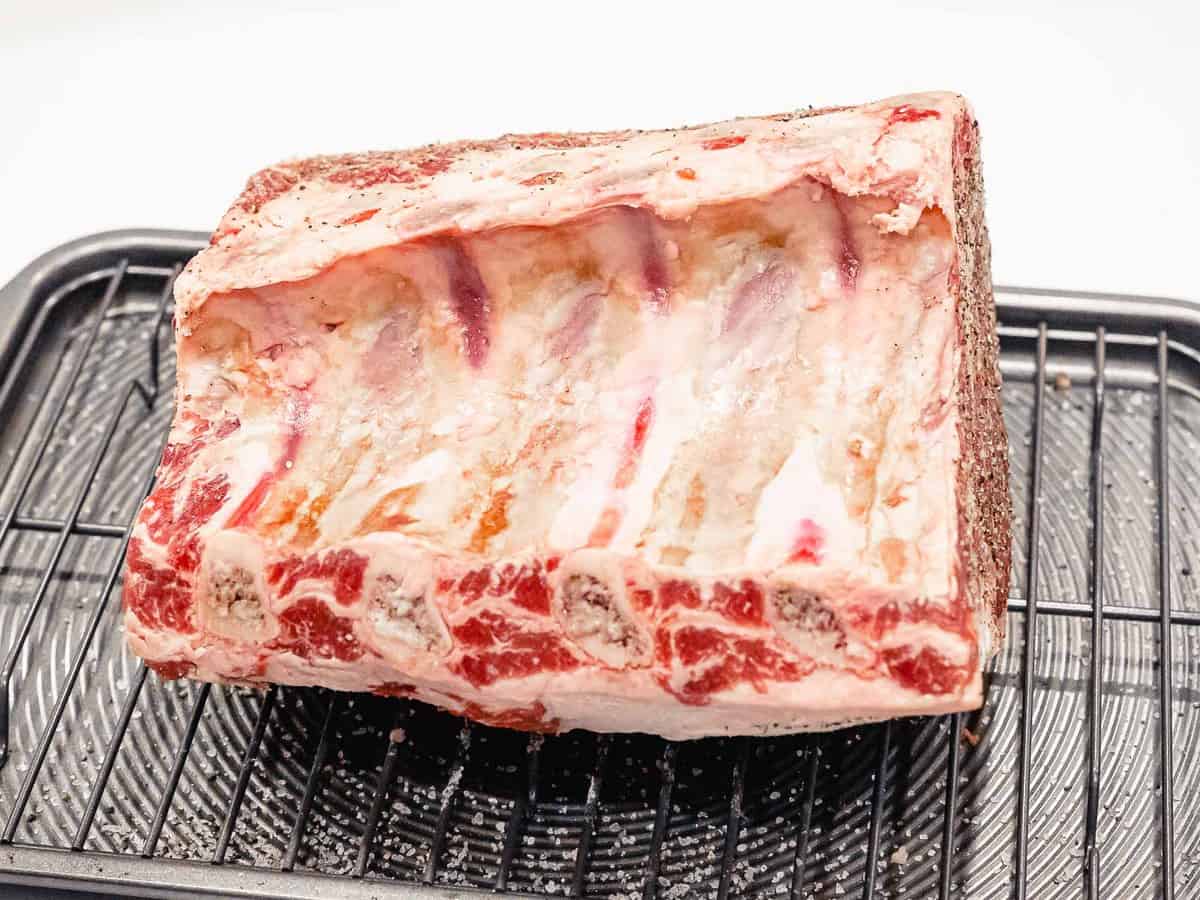
As mentioned earlier, you can ask your butcher to remove and re-attach the bones with twine if you prefer. Keeping the bones close to the meat helps insulate the meat from direct heat and it provides a built-in rack for the meat to roast on.
How Much Prime Rib Per Person
Planning how much prime rib to buy? Here's a simple guide:
| Guests | Bone-In (lbs) |
|---|---|
| 2-3 | 3-4 lbs (2 bones) |
| 4-6 | 5-7 lbs (3 bones) |
| 7-10 | 8-10 lbs (4 bones) |
| 11-14 | 12-14 lbs (5 bones) |
As a rule of thumb: plan for 1 pound per person for bone-in prime rib. Always round up! Leftover prime rib makes incredible sandwiches and is never a problem to have on hand.
How to Cook Prime Rib Roast (Step-by-Step)
- Liberally apply salt and pepper all over the standing rib roast, including the underside and fat cap. Keep it in the fridge overnight, uncovered to air dry and let the meat absorb the salt.
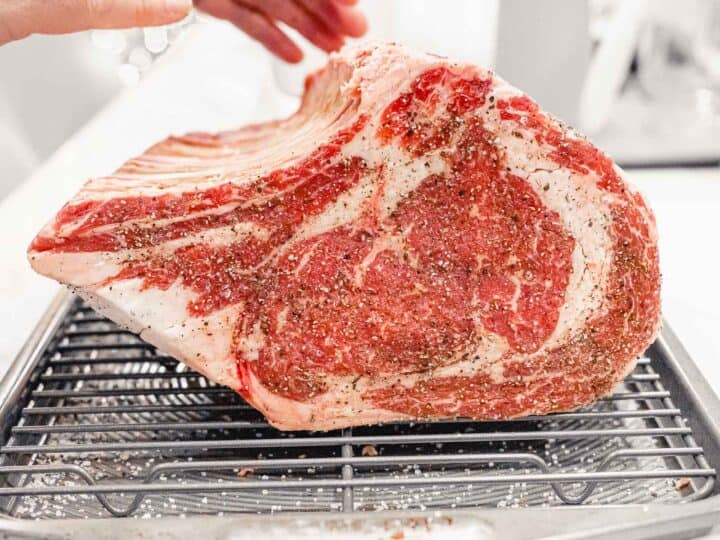
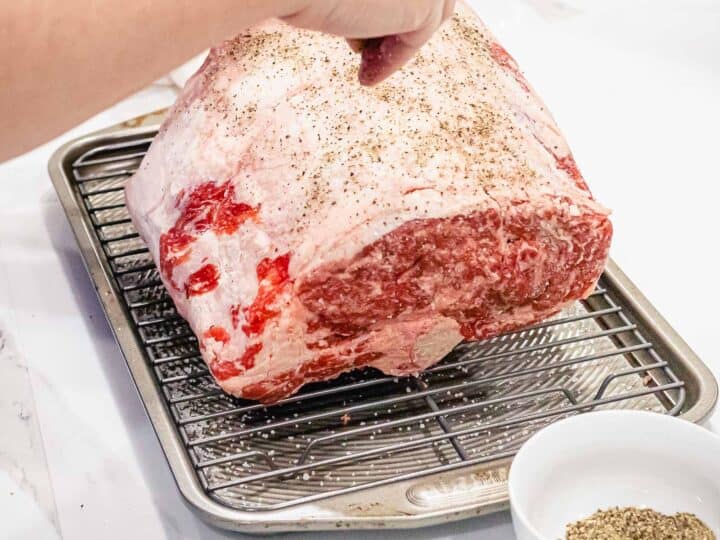
- Take the meat out and set it on the counter for 1 hour to help with even cooking. Place it on a roasting rack fat-side up inside a roasting pan. Insert a meat thermometer into the fullest part of the meat.
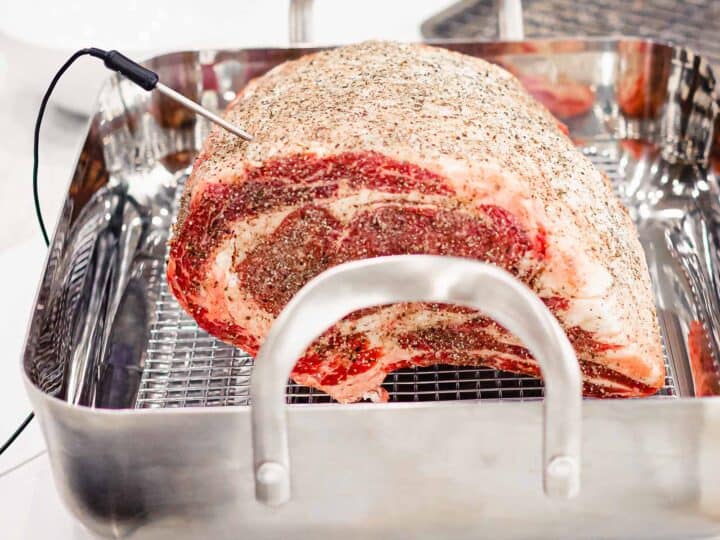
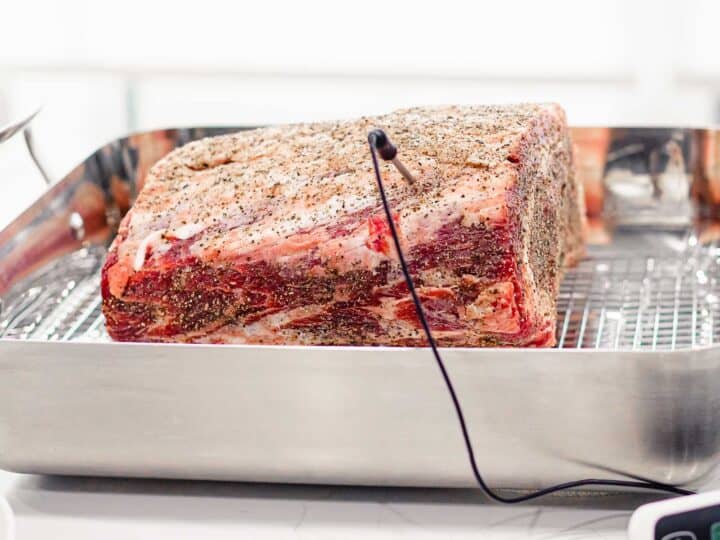
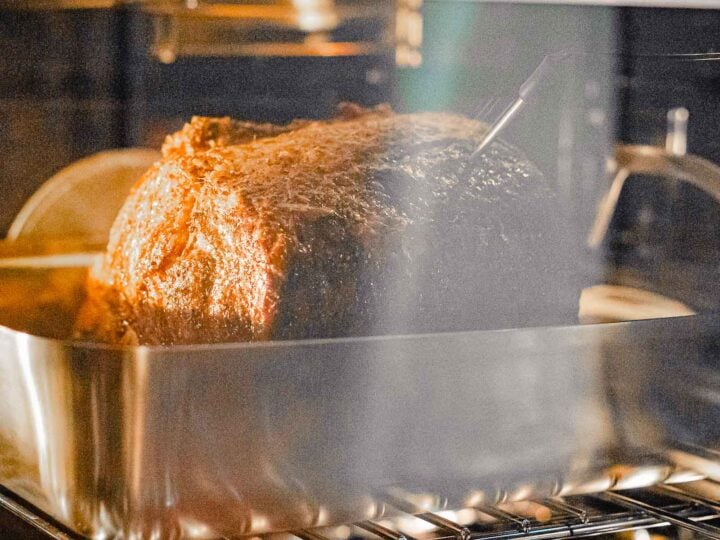
- Slow roast it in the oven at 250°F (121°C) until the internal temperature reaches your desired target. See the Cooking Temperature Chart below in the Notes section of the recipe card.
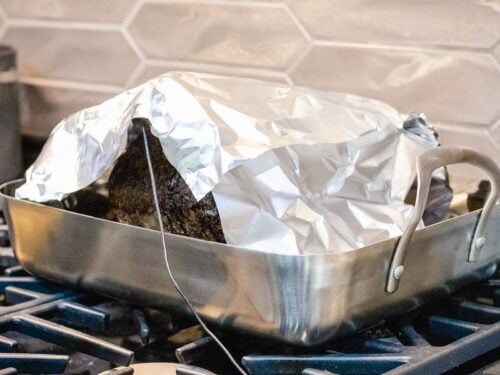
- Remove from the oven and loosely cover with foil. Let it rest for 20 to 30 minutes. You will see the temperature rise due to the residual heat or carryover cooking.
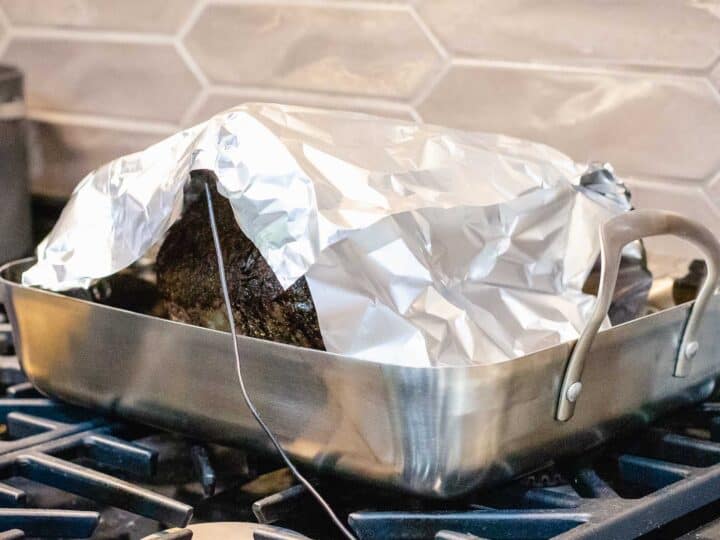
- Meanwhile, heat your oven to 550°F or as high as it will go. Once your oven is hot, add the meat back into the oven to sear the outside until browned and crispy. This is the reverse sear step.
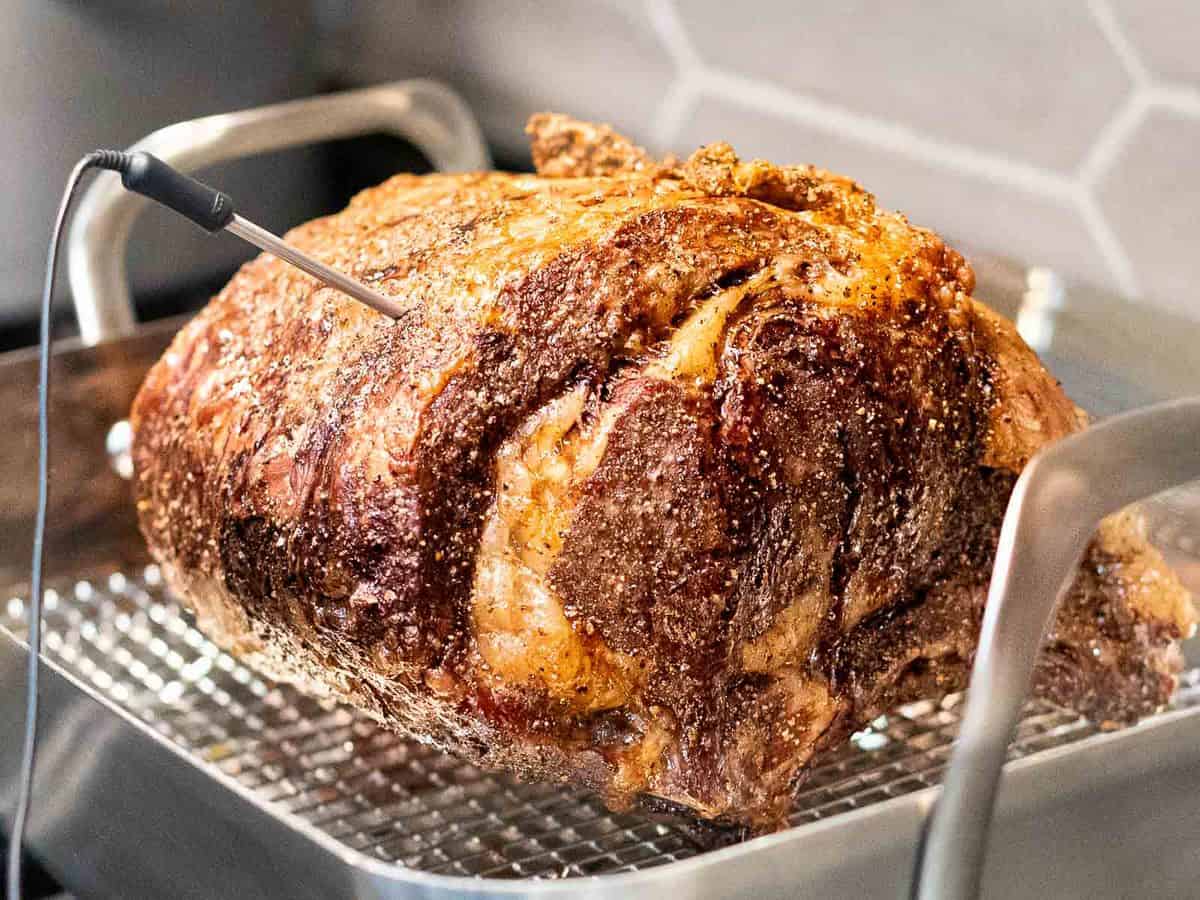
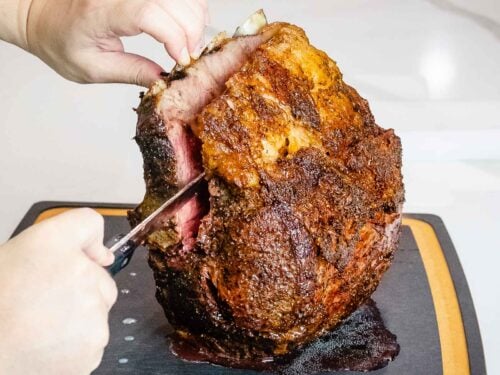
- Remove the ribs from the roast. Save them for another meal - they're delicious roasted in the oven.
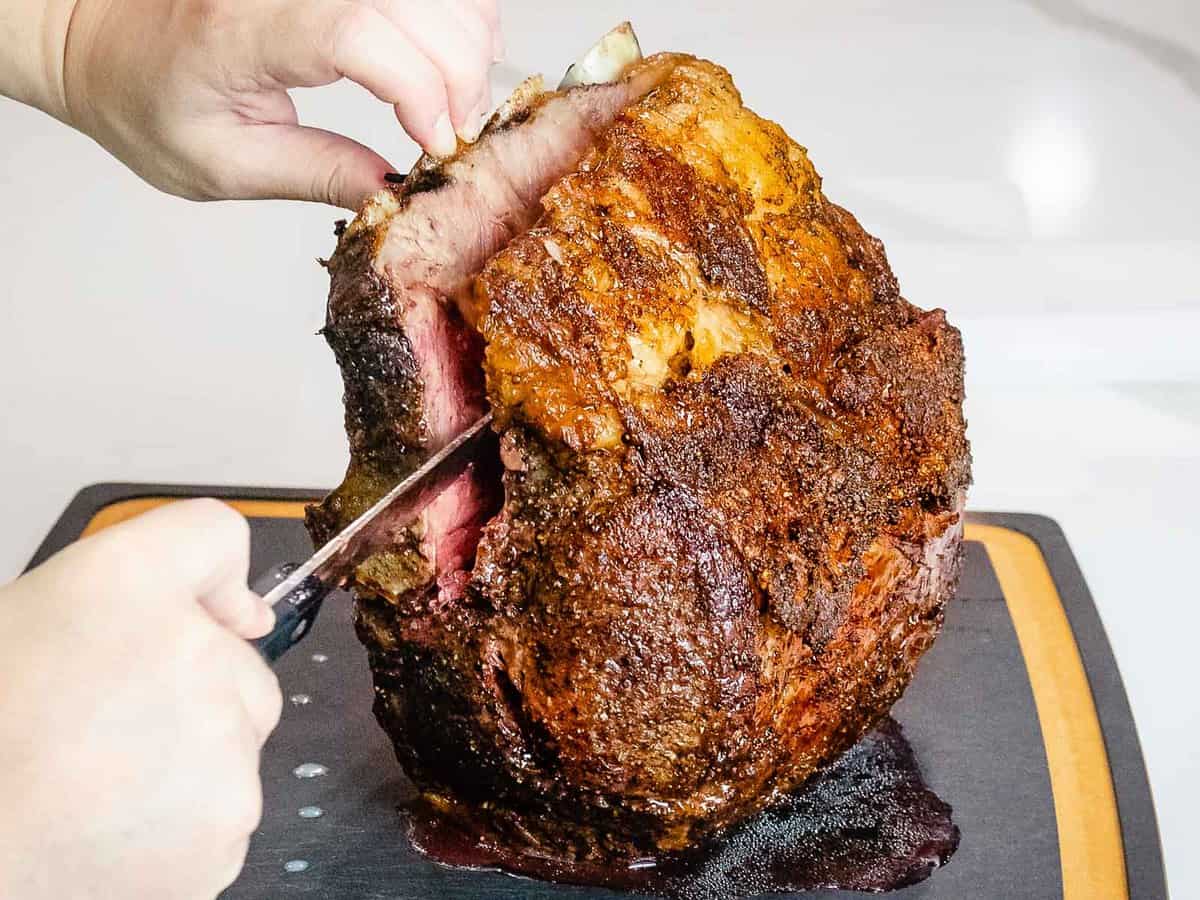
- Carve into slices and serve immediately.
Prime Rib Seasoning & Rub Variations
Our recipe uses a simple salt and pepper rub, and honestly, that's all you need for a beautiful prime rib. But if you want to experiment with different flavor profiles, here are some popular variations:
Garlic herb crust: Mix minced garlic, fresh rosemary, thyme, olive oil, salt, and pepper into a paste. Apply generously before roasting.
Dijon mustard rub: Coat the roast in Dijon mustard before applying your salt and pepper. The mustard helps the seasoning adhere and adds a subtle tangy depth.
Horseradish crust: Mix prepared horseradish with breadcrumbs, garlic, and butter. Press onto the fat cap before the final sear for a bold, peppery crust.
Coffee rub: Combine finely ground coffee, smoked paprika, garlic powder, brown sugar, salt, and pepper for a smoky, complex crust with incredible depth.
FAQs
At 250°F (121°C), plan for approximately 25–30 minutes per pound for bone-in prime rib. A 5-pound roast takes about 3 hours, while a 10-pound roast takes around 4.5 hours. However, these are estimates! Always use a meat thermometer and cook to internal temperature, not time alone. Remove from the oven at 118°F (48°C) for medium rare.
This recipe uses the reverse sear method: roast at a low temperature of 250°F (121°C) until the desired internal temperature is reached, then finish at 550°F (288°C) for 4-8 minutes to create a browned, crispy crust. The low-and-slow approach ensures even cooking from edge to edge.
Plan for about 1 pound per person for bone-in prime rib. For example, a 4-bone standing rib roast (approximately 8-10 lbs) will comfortably serve 7–10 people. Always round up, leftover prime rib is never a problem!
We recommend bone-in (standing rib roast) for this recipe. The bones insulate the meat for more even cooking and act as a natural roasting rack. Bone-in also makes a more impressive presentation. Boneless works too - just tie it with butcher's twine for even shape and expect slightly faster cooking.
After! This recipe uses the reverse sear method, which means you roast the prime rib at low heat first, let it rest, then sear it in a very hot oven (550°F) right before serving. This produces a crispier crust and more evenly cooked interior compared to searing first.
Yes, this is one of the biggest advantages of the reverse sear method! After the slow roast, the prime rib can rest (loosely covered in foil) for 20 to 60 minutes while you wait for guests to arrive or finish preparing side dishes. Then simply crank the oven to 550°F and sear it for 4-8 minutes right before serving. Everyone gets a fresh-out-of-the-oven slice.
They come from the same cut of beef (the rib primal). A "prime rib" or "standing rib roast" is the bone-in version, while a "ribeye roast" is the same cut with the bones removed. The term "prime" in prime rib refers to the cut, not the USDA grade. You can find prime rib in Select, Choice, or Prime grades.
Carryover cooking (also called residual heat) is when the internal temperature of meat continues to rise after you remove it from the oven. With this recipe, expect a rise of 5–10°F during the resting period. That's why we remove the prime rib at 118°F for medium rare, it will climb to approximately 125°F as it rests.
Wrap leftover prime rib slices in foil with a splash of au jus or beef broth and reheat in a 300°F oven until warmed through (about 10–15 minutes for slices). Avoid the microwave if possible, as it tends to overcook the edges. You can also gently warm slices in a skillet with butter over medium-low heat.
Store leftover prime rib in an airtight container in the refrigerator for up to 3-4 days. To freeze, wrap individual portions tightly in plastic wrap, then place in a freezer-safe bag or container for up to one month. Thaw overnight in the refrigerator before reheating.
What Sauce to Serve with Prime Rib
Prime rib is incredible on its own, but a great sauce takes it to the next level. Here are the most popular options:
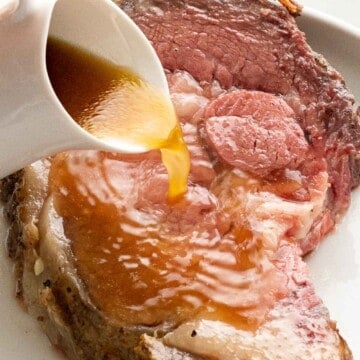
Au jus: The classic choice. Our homemade au jus sauce can be made with or without pan drippings and pairs perfectly with every slice.
Horseradish cream sauce: Mix prepared horseradish with sour cream, a squeeze of lemon, and a pinch of salt for a creamy, peppery sauce that cuts through the richness of the beef.
Red wine jus: Deglaze your roasting pan with red wine and beef stock, reduce until slightly thickened, and strain for an elegant, restaurant-worthy sauce.
Chimichurri: For a fresh, herby contrast, chimichurri made with parsley, oregano, garlic, red wine vinegar, and olive oil is a showstopper.
What to Serve with Prime Rib
A prime rib dinner deserves sides that complement the rich, beefy flavor without competing with it. Here are our favorite pairings for a holiday prime rib feast:
- Easy Au Jus (No Drippings Needed)
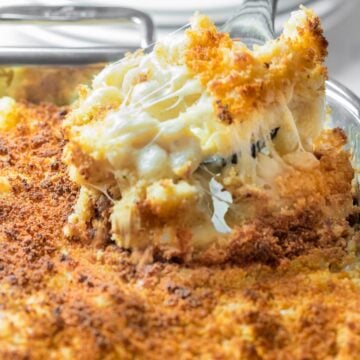
- Southern Baked Mac and Cheese with Breadcrumbs
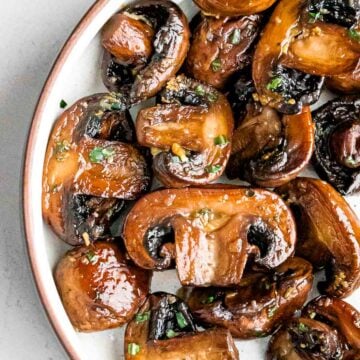
- Easy Sauteed Mushrooms with Garlic Butter
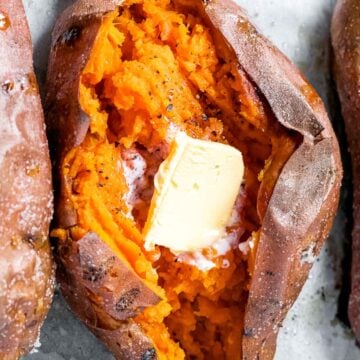
- Perfect Baked Sweet Potatoes - Baking times and optional toppings included!
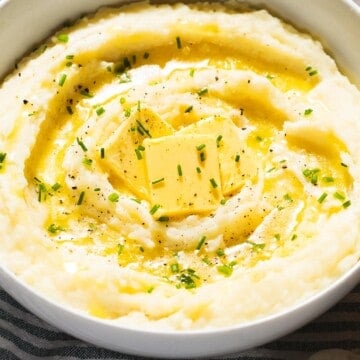
- Garlic Mashed Potatoes with Garlic Butter
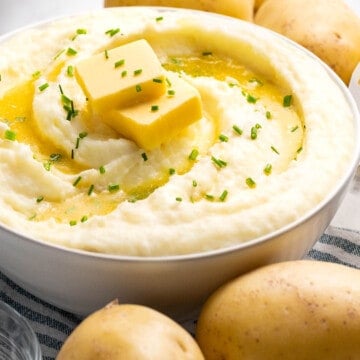
- Creamy Sour Cream Mashed Potatoes with Chives
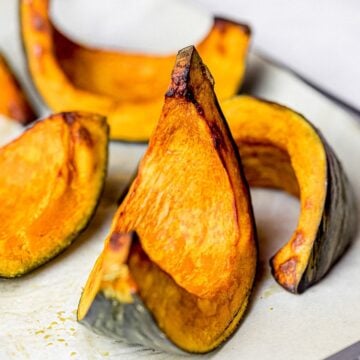
- Roasted Kabocha Squash | Japanese Pumpkin
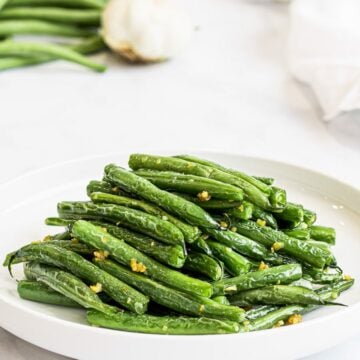
- Chinese Style Dry Fried Garlic Green Beans
Leftover Prime Rib Ideas
Leftover prime rib is a gift! Here are some of our favorite ways to use it:
Prime rib French dip sandwiches: Thinly slice leftover prime rib, warm it in au jus, and pile it on a crusty hoagie roll. Serve with the warm au jus for dipping.
Prime rib steak and eggs: Sear leftover slices in a hot cast iron pan and serve alongside fried eggs for a luxurious breakfast.
Prime rib fried rice: Dice the meat and toss it into a quick fried rice with soy sauce, garlic, and vegetables.
Prime rib hash: Cube leftover prime rib and crispy potatoes, sauté with onions and peppers, and top with a poached egg.
Recipe

Reverse Sear Prime Rib Roast | Standing Rib Roast Recipe
Equipment
☑ Ingredients
- 1 standing rib roast (prime rib with bone in) - See Note 1
- 1 Tablespoon freshly ground black pepper
- sea salt - about 2 to 3 teaspoons per 5 lbs (2.27 kg)
Instructions
Prep the Prime Rib
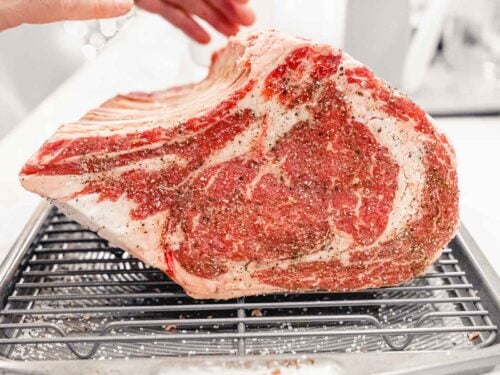
- Apply rub: Place the standing rib roast on a metal rack with a baking sheet beneath it. Liberally apply sea salt and fresh pepper all over the prime rib, including the underside. Rub it in with your fingers so it adheres to the meat. Season overnight: Set it in the fridge to season overnight, uncovered. The roast will absorb the salt, resulting in a juicier prime rib.

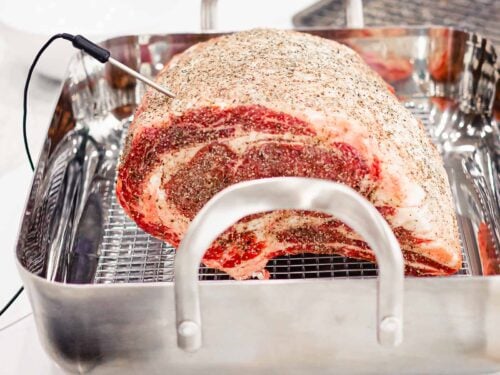
- Place in a roasting rack: Remove the prime rib from the fridge and set it on a roasting rack inserted into a roasting pan. Place it fat cap up and insert an oven-safe thermometer into the thickest part of the rib roast. (Note: The salt should have fully absorbed into the prime rib.) Set it out for 1 hour on the counter to help with even cooking.
Roast
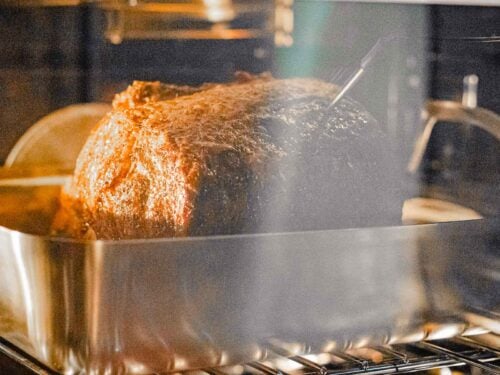
- Roast: Position your oven rack to the lower middle of the oven and place the rib roast on top. Set the temperature to 250°F (121°C). Roast until the internal temperature reaches your desired doneness. Remove at 118°F or 48°C for medium rare. See Note 2 for complete cooking temperature chart.
- Rest: Remove from the oven and loosely cover with foil. Let it rest for 20 to 30 minutes. You should see the internal temperature rise from the residual heat.
- Reverse sear for brown crust: Increase your oven temp to 550°F (288°C) or as high as it will go. Once hot, place the rib roast back in the oven just until the crust is browned and crisp, anywhere from 4 to 8 minutes, depending on your oven. Watch carefully for burning, do not walk away during this step.
- Remove bone: Once the crust is seared, remove the roast from the oven and carve away the bones.
- Slice and serve: Slice the prime rib and serve immediately. Serve with our au jus sauce and enjoy!
✎ Recipe Notes
- I used a 9.5 lb (4.3 kg) 4 bone standing rib roast. Use any standing rib roast with 3 to 4 bones ranging from 5 to 10 lbs (2.27 to 4.53 kg). Choose one that's well marbled with the bones still attached. Or ask your butcher to remove and re-attach the bones with twine. You can opt for having the bones frenched which means cleaning and removing excess fat or meat so that the bones are exposed. This recipe works with any grade of prime rib - select, choice, and prime.
- Cooking Temperature Chart:
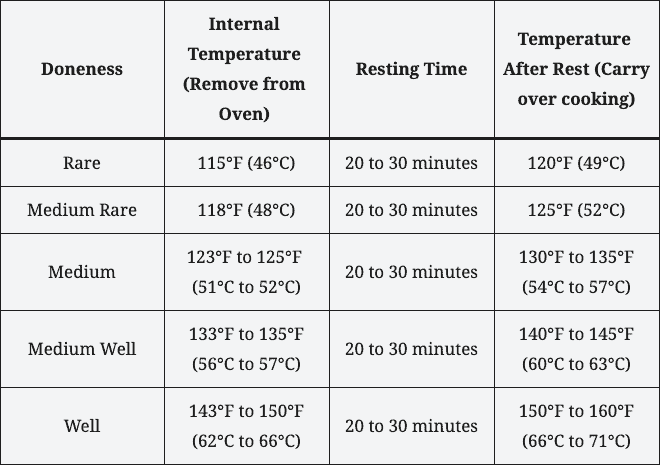 *This recipe uses the reverse sear method which roasts the prime rib under low heat first, and then sears the crust under high heat until brown and crisp.
 Nutrition
*Nutritional information is an estimate, calculated using online tools.
Comments are temporarily closed while we perform maintenance on the website.
Jackie
This is the first time I managed to make a near perfect rib roast. Next time I might take it out a tad sooner as it was a little over cooked but still delicious! Great recipe. Thank you!
Jamie
That's great to hear Jackie! So happy you enjoyed it!
Jan
So I'm confused if I take it out of the oven at the time it says and then it raises to the final temperature when I put it back in the oven to sear it isn't that going to cook the inside more,
Jamie
Hi Jan! If your oven is properly heated, it shouldn't take long to sear the outside so the inside shouldn't cook more. The prime rib should only take about 4 to 8 minutes for the reverse sear. Hope that helps!
Samantha
Hi,
I'm planning to make this recipe for Christmas this year. We will have 7 bones in our roast and I'm wondering if we should have the butcher cut it into 2 roasts to cook at the same time, or leave it as-is (in which case, how long should we plan on the roasting taking)?
Hannah F
I was a bit nervous when my 5.5 lbs / 2.54 kg roast reached 118 after only 2 hours in the oven. I have a full-on gas unit without digital (high end but simple) and a lowest option for 250F. I had to let the roast rest for an hour while I finished off my other dishes, including an au jus (since the pan drippings were almost non-existent). What can I say? This roast was perfection.
Jamie
Thank you Hannah! That's wonderful it turned out perfect! 🙂
Betty
Hi, your recipe looks so easy but delicious. I also have a roast about 9.5 lbs, can you give an estimate on how long it might take. Thanks for sharing
Jamie
Hi Betty! It took us about 4 hours of roasting in the oven to reach medium rare. We set it on the counter for 1 to 2 hours first to help with faster cooking. Hope that helps!
Joe S
I have a 12 1/2 lb roast. I’m thinking it needs around 3 hrs to get to room temp and 5 1/2 hrs at 250 degrees?
Jamie
Hi Joe! I'd avoid leaving the roast out for that long due to food safety issues. I would leave it out at room temperature for 1 hour and then place it in the oven. I can't say for sure what the exact roasting time would be but 5.5 hours sounds reasonable. I hope that helps!
Greg
This is the best method of comes out perfect every time. Make sure you peel back the fat cap and season. I cover mine in a blooming onion horseradish sauce before cooking its fantastic!